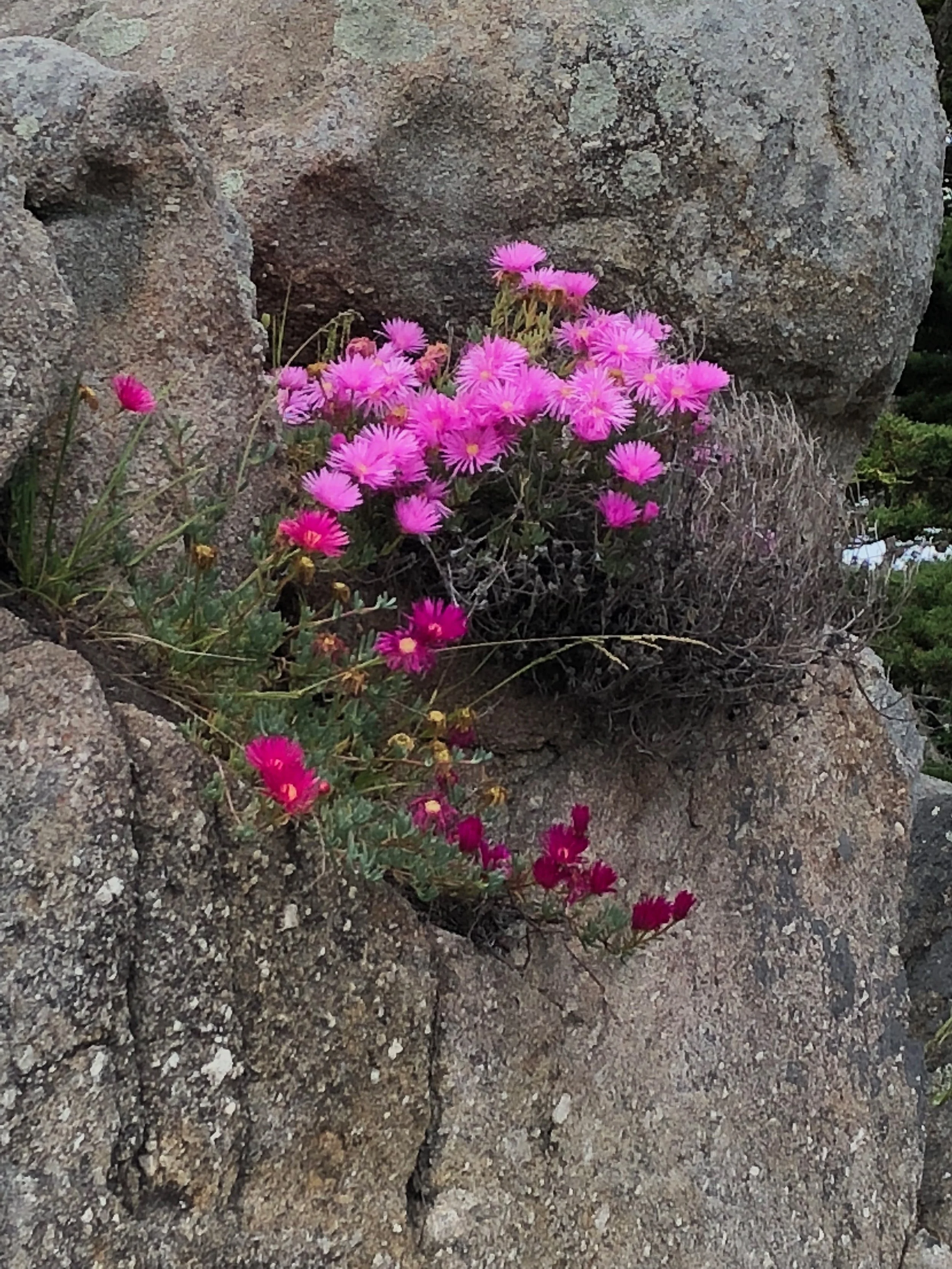

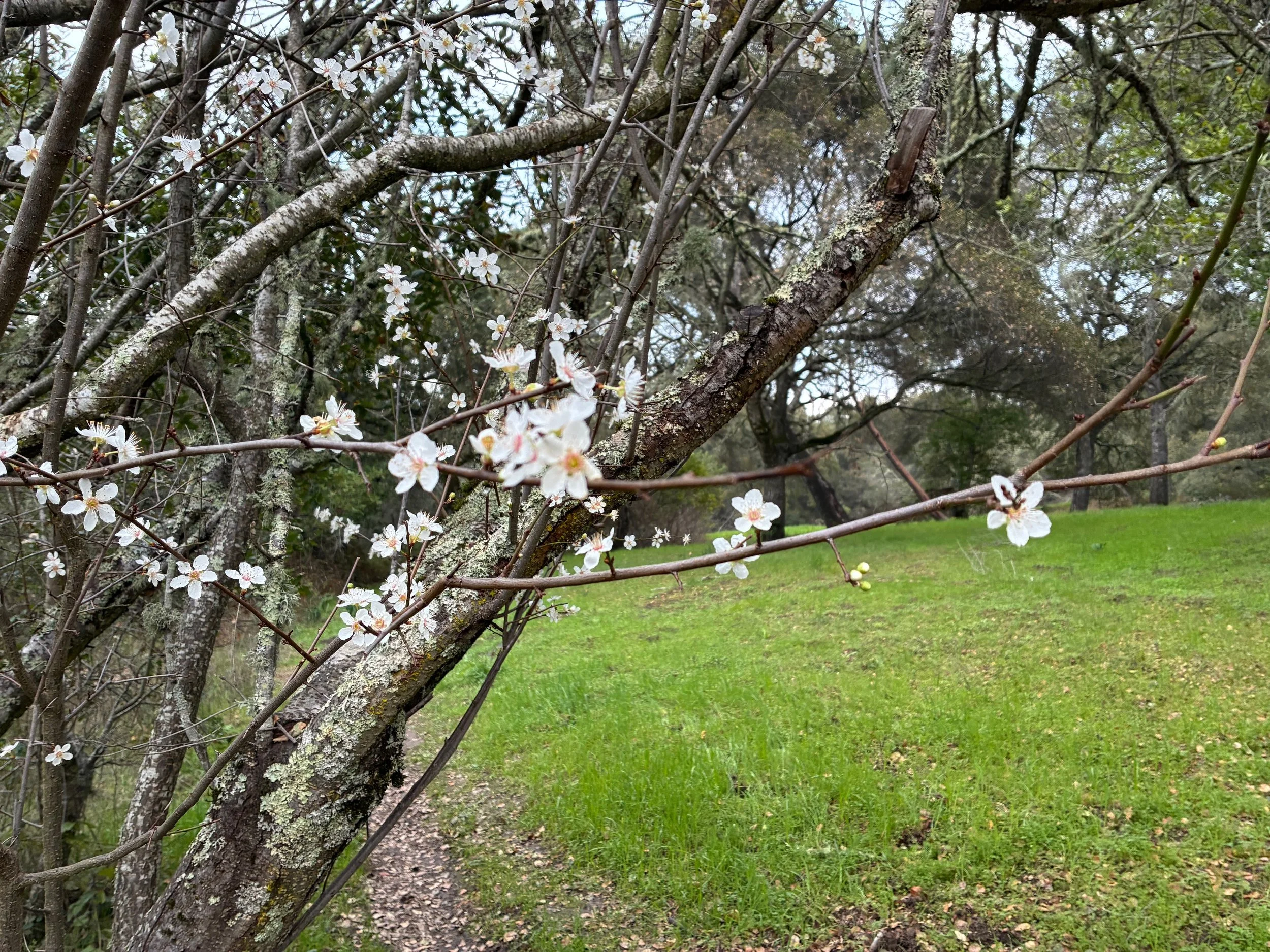


Spring by Rumi
Again, the violet bows to the lily.
Again, the rose is tearing off her gown!
The green ones have come from the other world,
tipsy like the breeze up to some new foolishness.
Again, near the top of the mountain
the anemone’s sweet features appear.
The hyacinth speaks formally to the jasmine,
“Peace be with you.” “And peace to you, lad!
Come walk with me in this meadow.”
Again, there are sufis everywhere!
The bud is shy, but the wind removes
her veil suddenly, “My friend!”
The Friend is here like water in the stream,
like a lotus on the water.
The narcissus winks at the wisteria,
“Whenever you say.”
And the clove to the willow, “You are the one
I hope for.” The willow replies, “Consider
these chambers of mine yours. Welcome!”
The apple, “Orange, why the frown?”
“So that those who mean harm
will not see my beauty.”
The ringdove comes asking, “Where,
where is the Friend?”
With one note the nightingale
indicates the rose.
Again, the season of Spring has come
and a spring-source rises under everything,
a moon sliding from the shadows.
Many things must be left unsaid, because it’s late,
but whatever conversation we haven’t had
tonight, we’ll have tomorrow.
(translation by Coleman Barks)
Green Meditations, Haiku Walks and a Workshop
Almost Full Circle- Musings on Ensō, Wabi Sabi, and Kura Kura
Winter Apple by David Whyte

Cultivating Wabi Sabi- A Nature Practice

Start by taking a long walk in nature where you can be mostly undisturbed. Refrain from talking to people and using your phone. Pay attention to all examples of wabi sabi that you are encountering. Can you see that a tree, among many other trees in the forest, does not judge itself, compare itself, blame itself? Can you see its beauty despite the fact that it may be twisted, decaying, broken, unbalanced or otherwise imperfect? Can you see how it still provides value for the forest ecosystem just by being there, despite (or may be because of) its imperfections?

When you are ready, sit down for a meditation. Take a few deep breaths, inhaling through the nose and exhaling through the mouth. Gently close your eyes and turn your awareness to your breath. Once you feel settled and present, slowly reflect on a part of yourself that you may not have been fully accepting. How can you use the concept of wabi sabi to look at things differently? Can you see the beauty in this physical or character flaw? Bringing back to mind one example of wabi sabi that you encountered during your walk, remember how beautiful in and of itself it was, no matter its imperfections. Can you feel the same about yourself?

Now reflect on the fact that you are original in this world. Can you see how -your mind, heart and body- are completely unique? Can you see that you too, like every thing else in this world, has value and worth simply by existing?
When you are ready to end this practice, gently open your eyes and stretch.
Tipping Toward Life and Love- My Climate Journey in Verse
Always We Begin Again
The Center of Your Being by Lao Tzu

Allegiance to Gratitude

Allegiance to Gratitude is the title of a chapter in the widely discussed book by Robin Wall Kimmerer Braiding Sweetgrass- Indigenous Wisdom, Scientific Knowledge and the Teachings of Plants. In that chapter, Kimmerer, a mother, botanist, professor of Environmental Biology at SYNU and a member of the Citizen Potawatomi Nation introduces the Thanksgiving Address used by the Haudenosaunee Confederacy,