
Japan

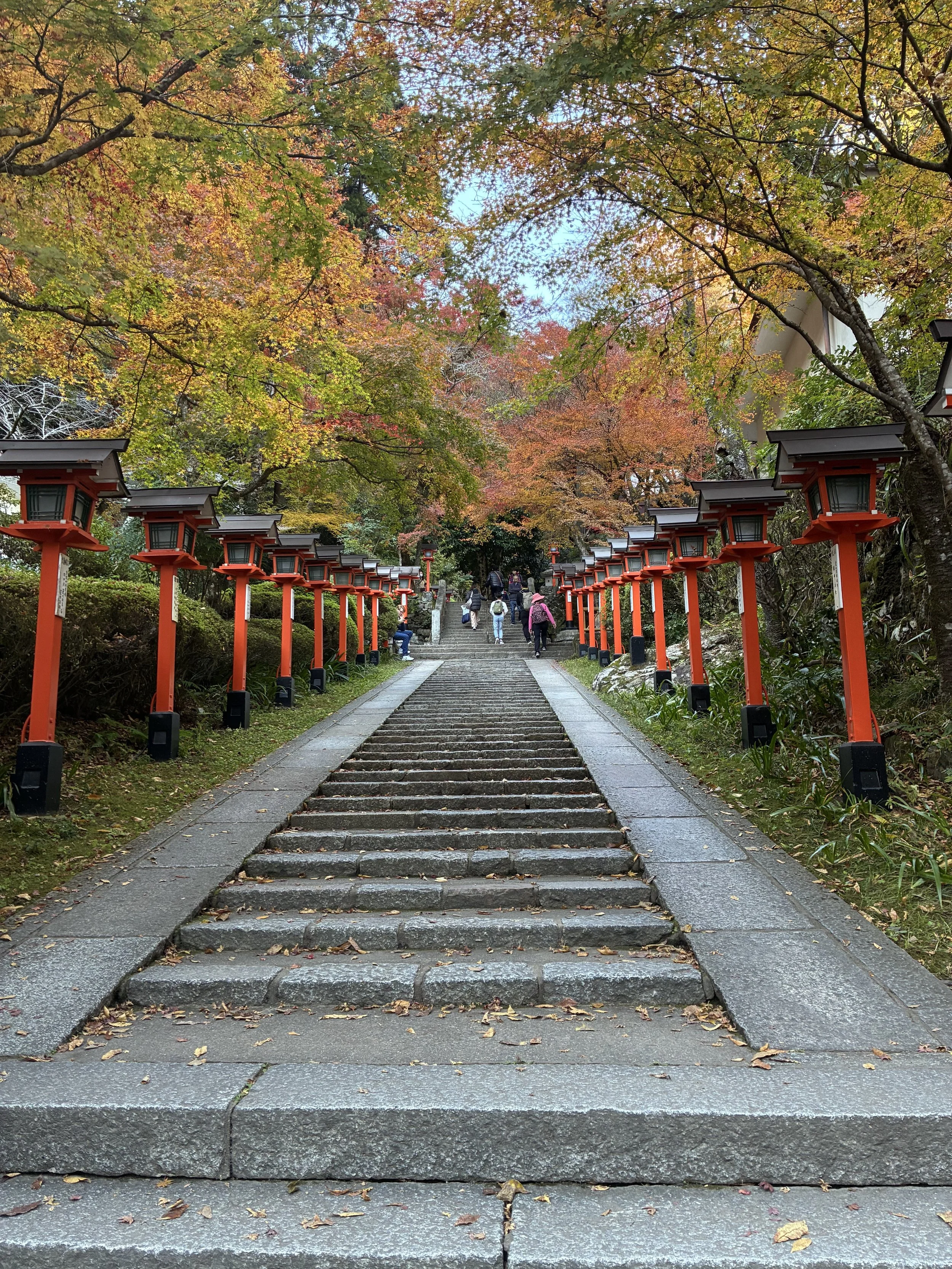
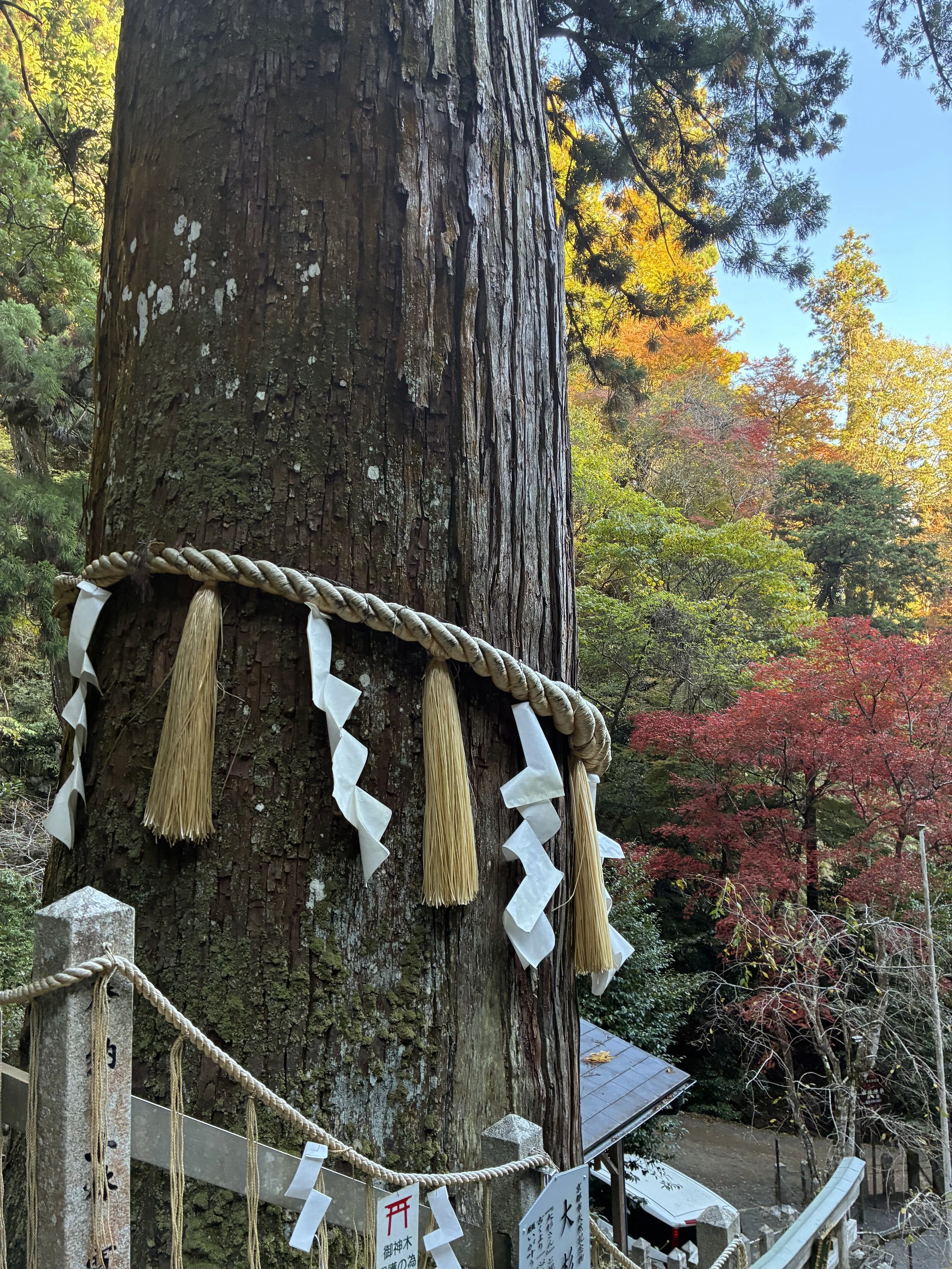
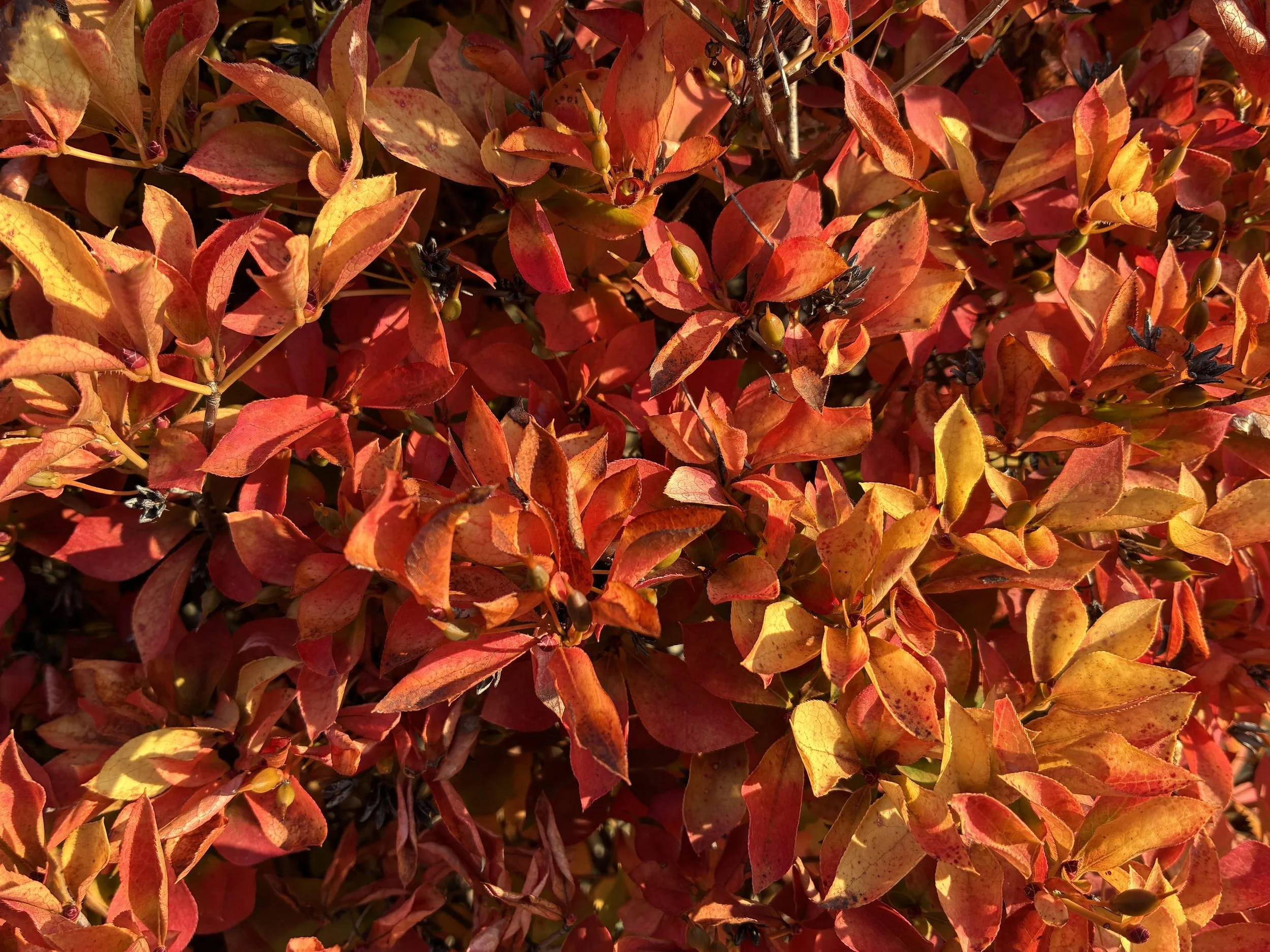
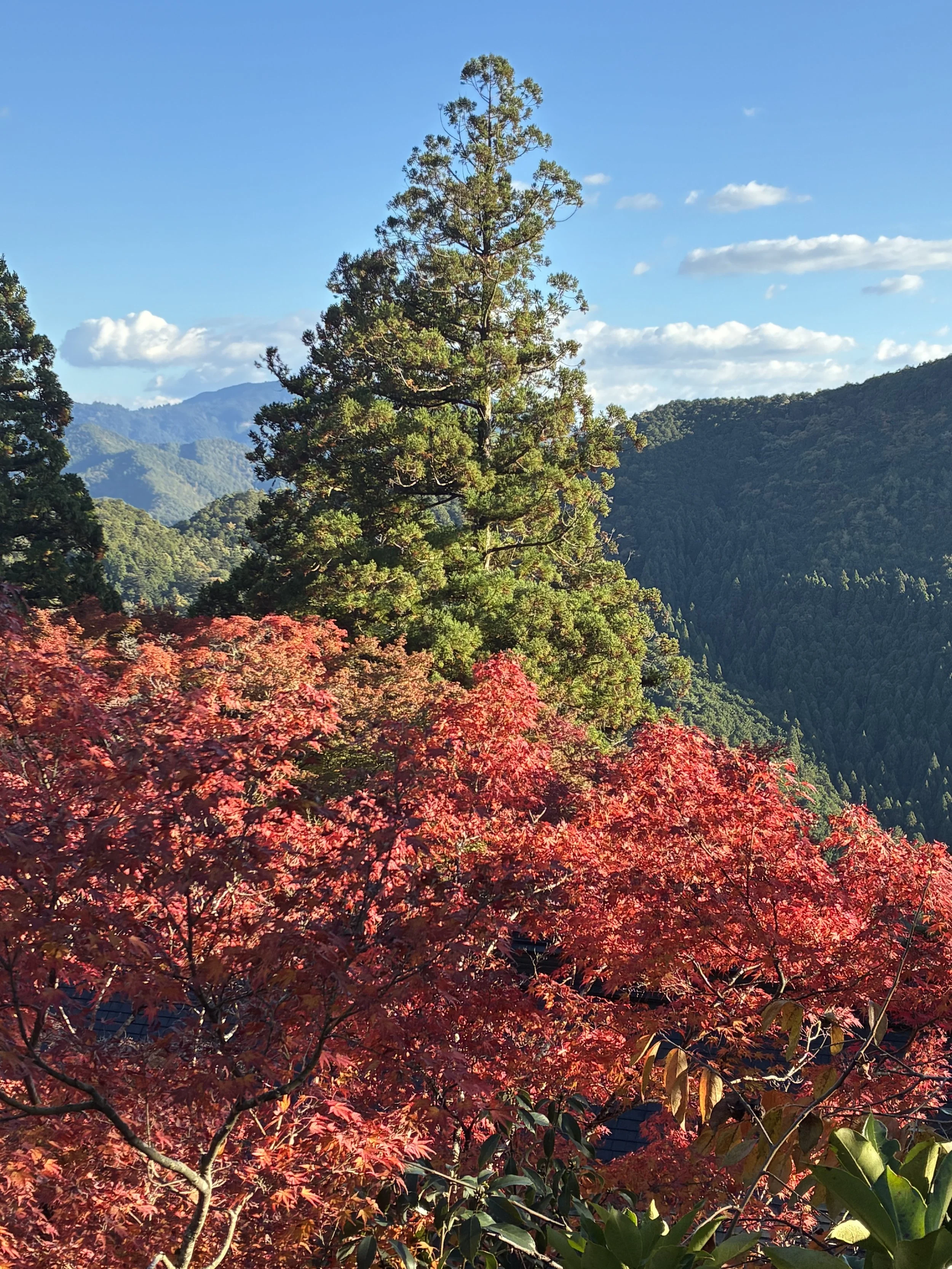
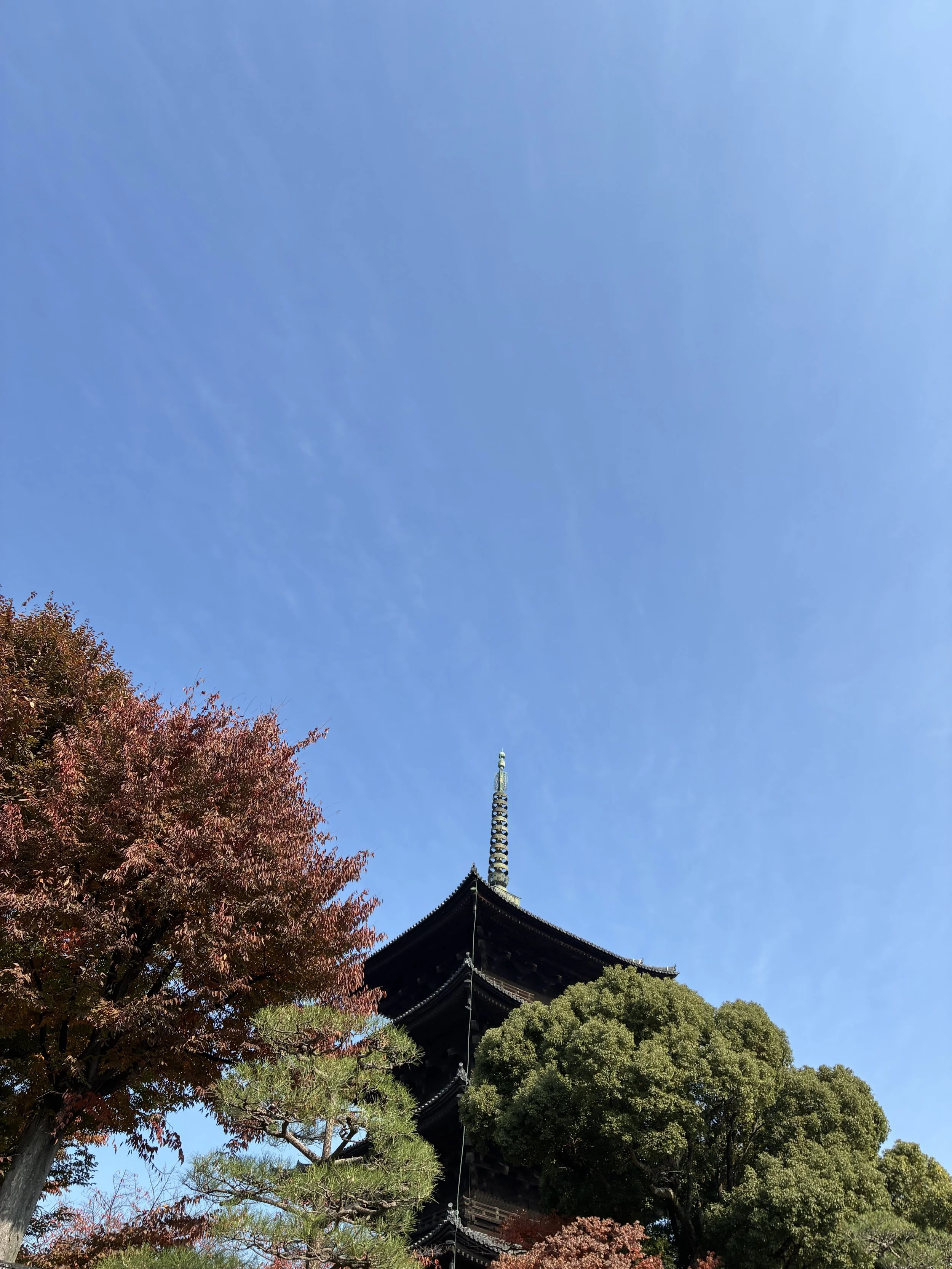
Nichinichi-kore-kojitsu- at Moss Temple plus Fall Colors, Kyoto

Nichinichi-Kore-Kojitsu or Every Day is a Wonderful Day.

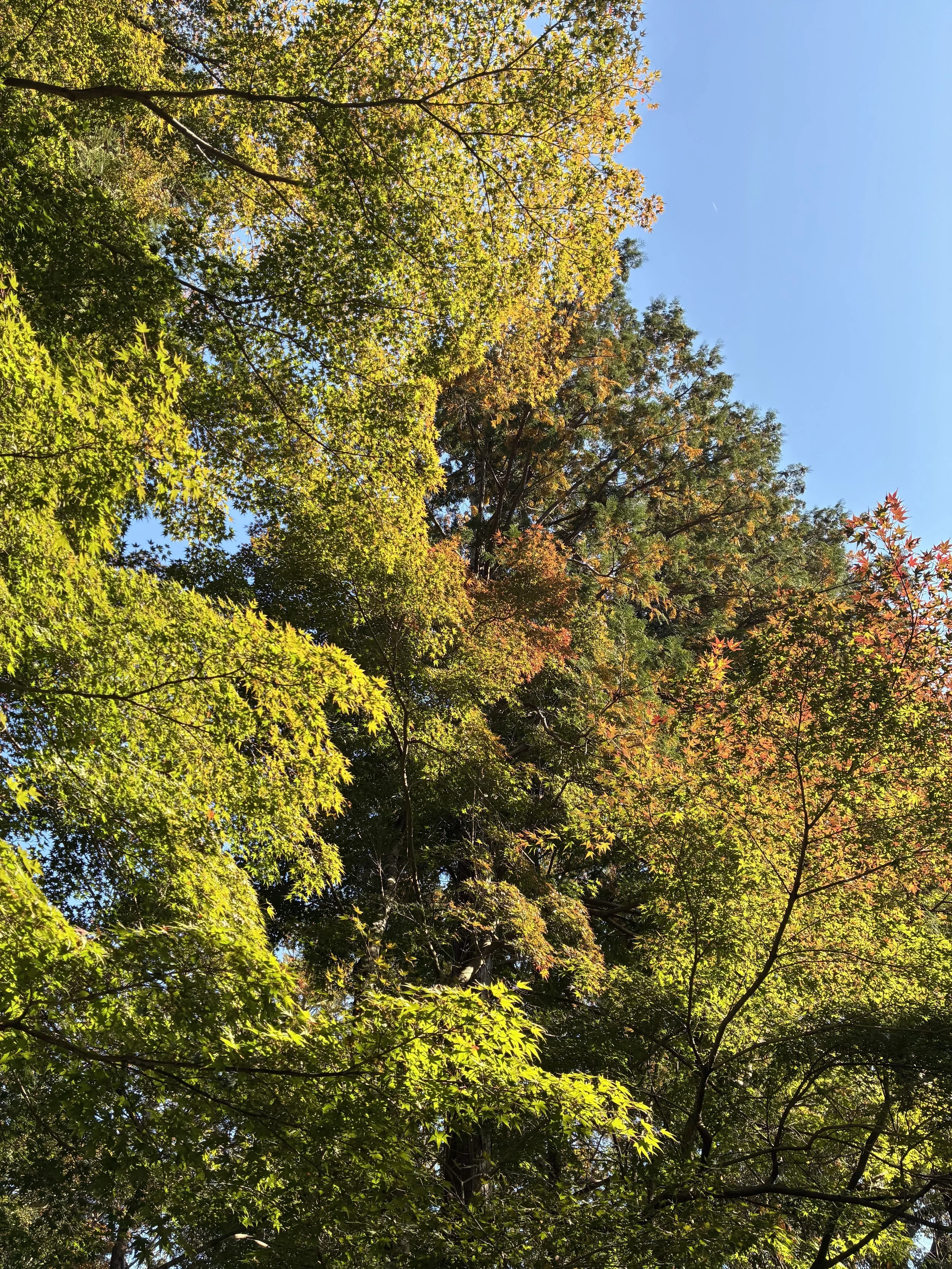
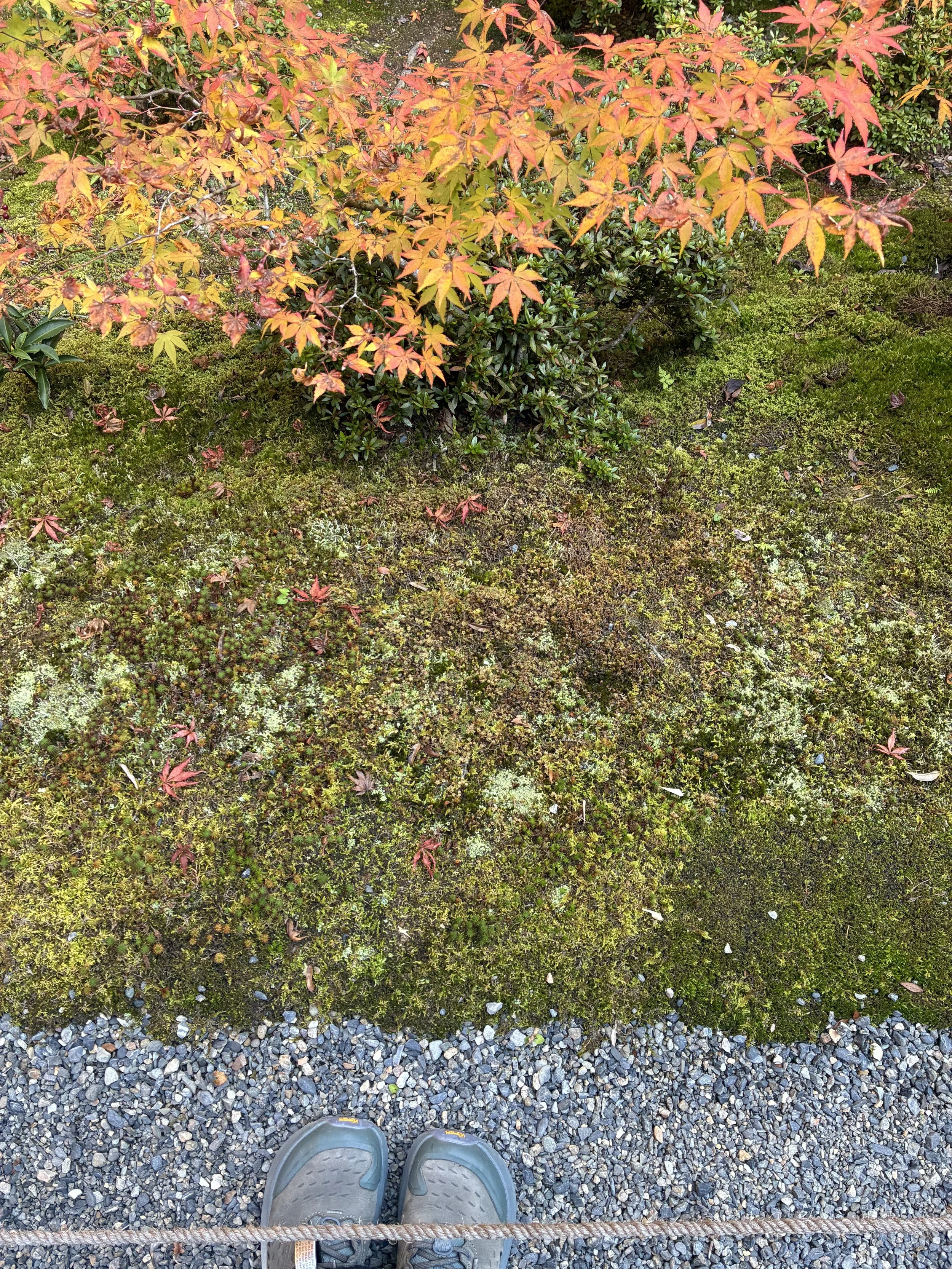
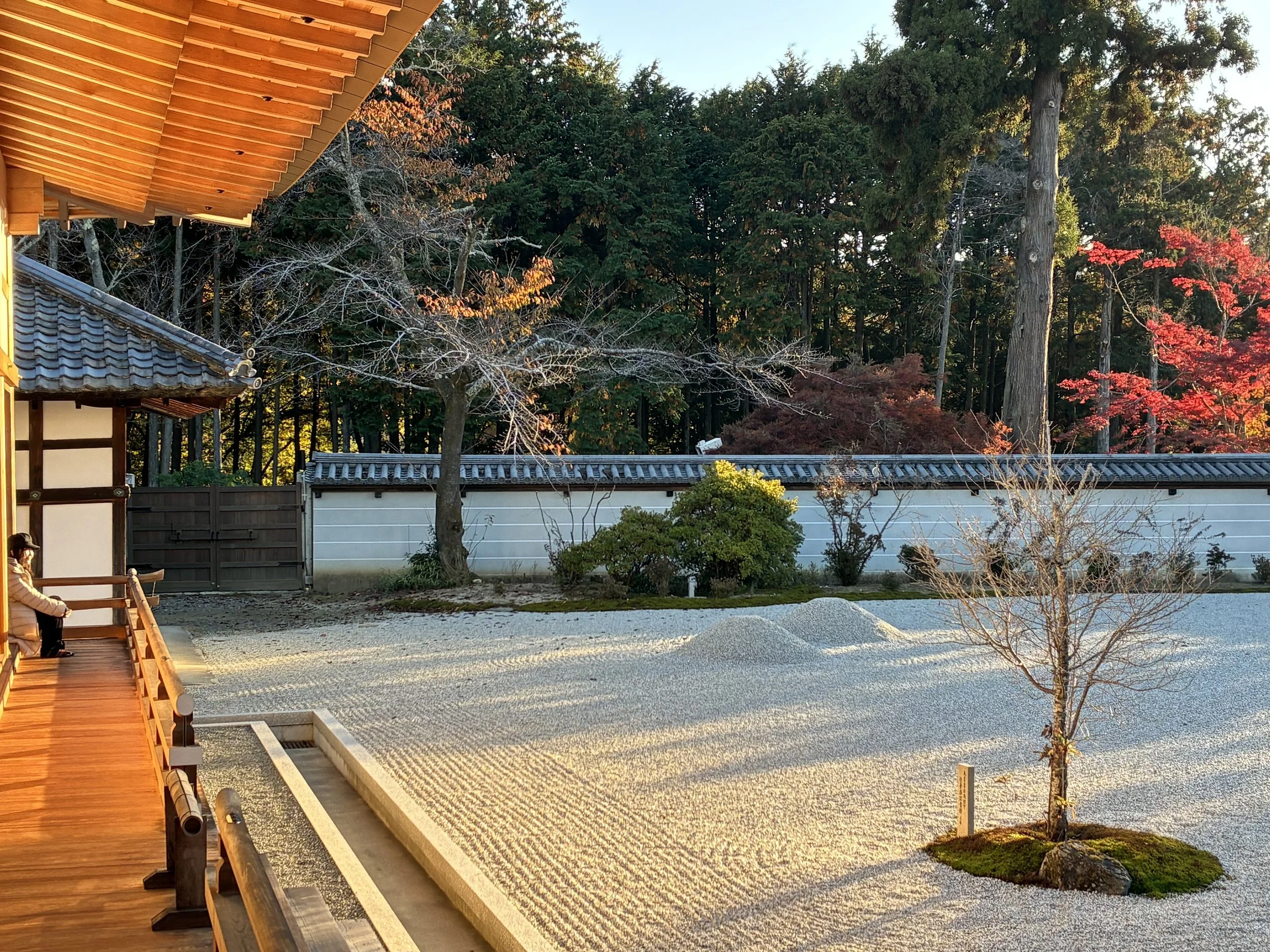
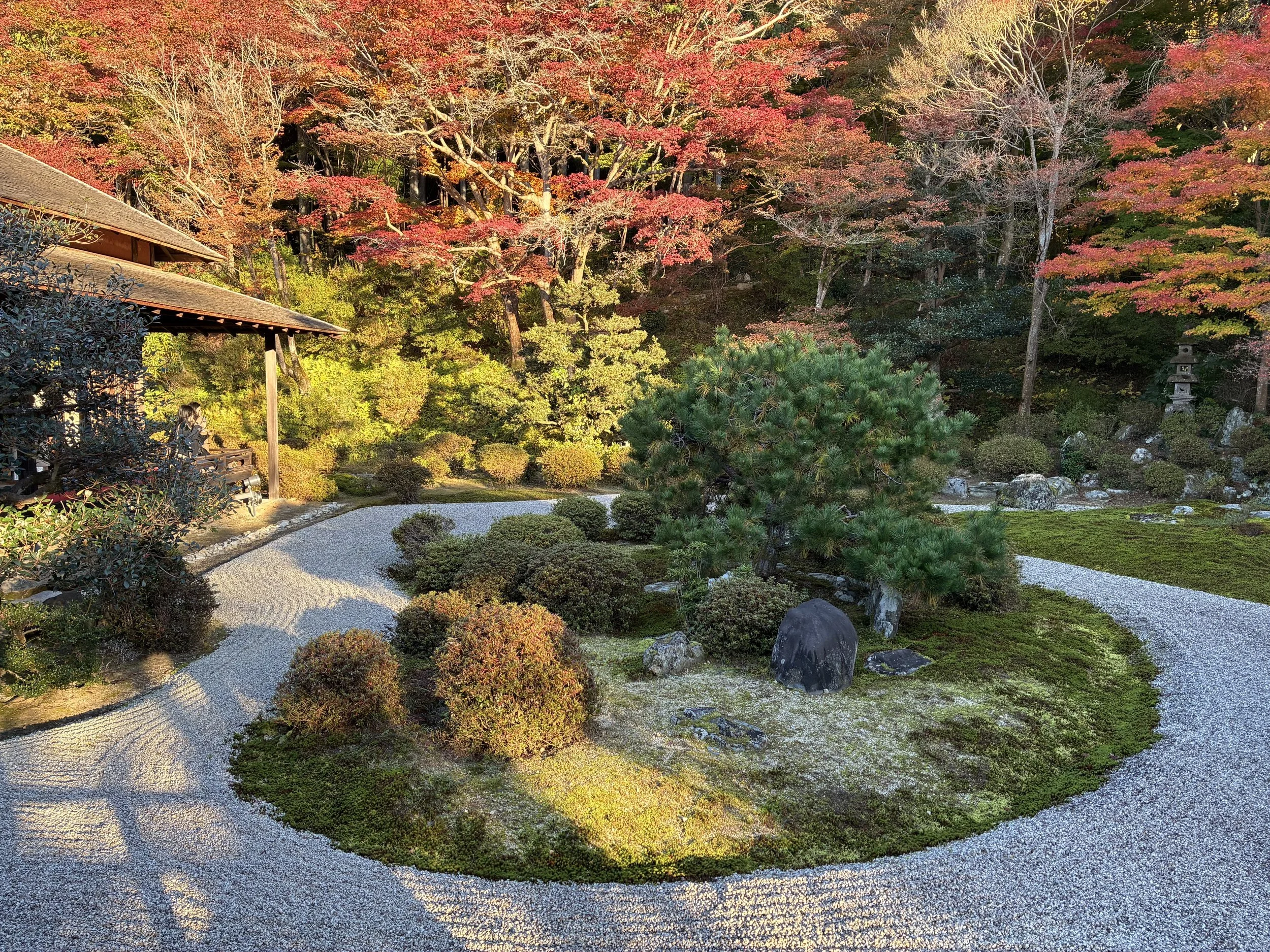
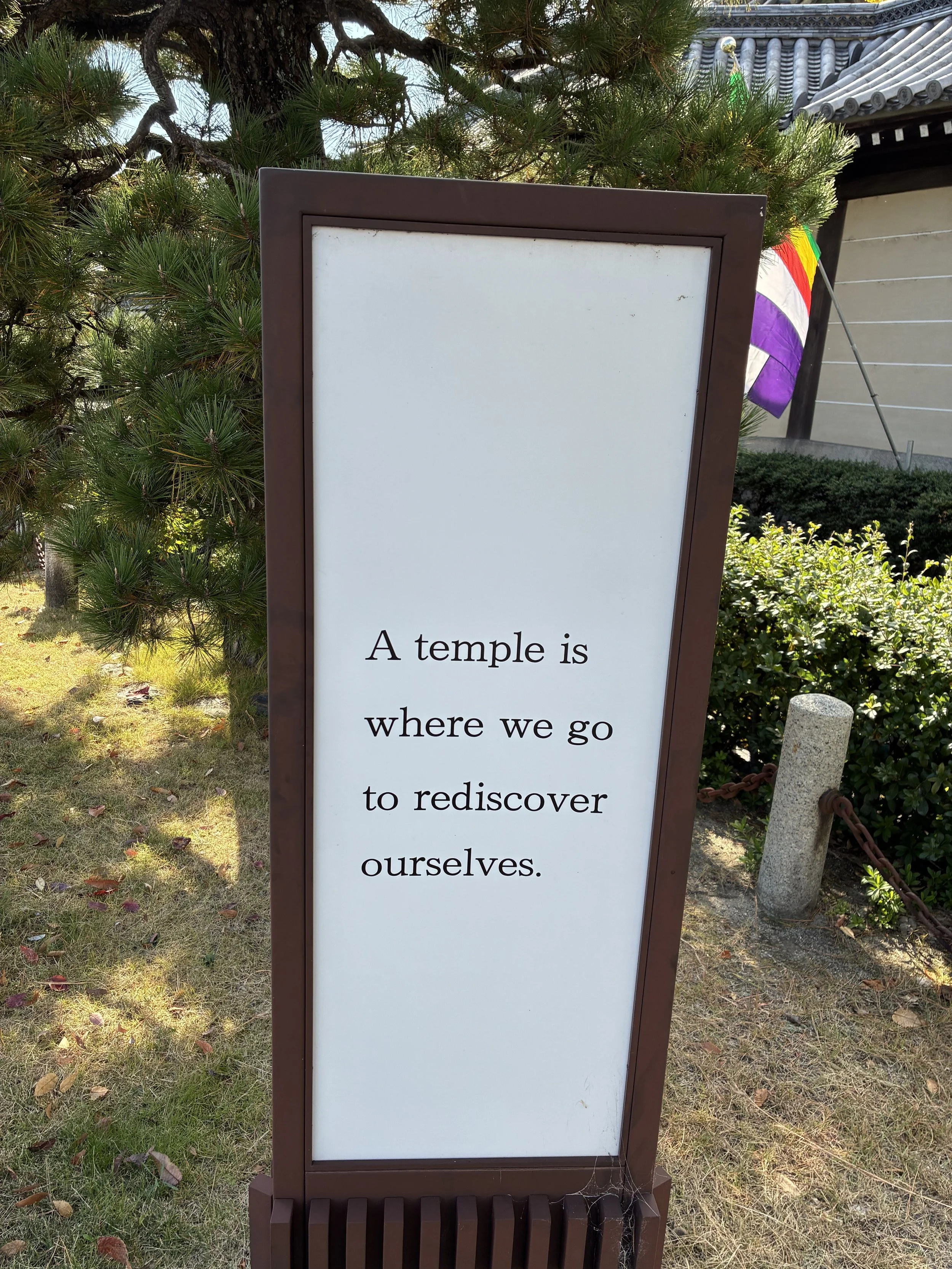
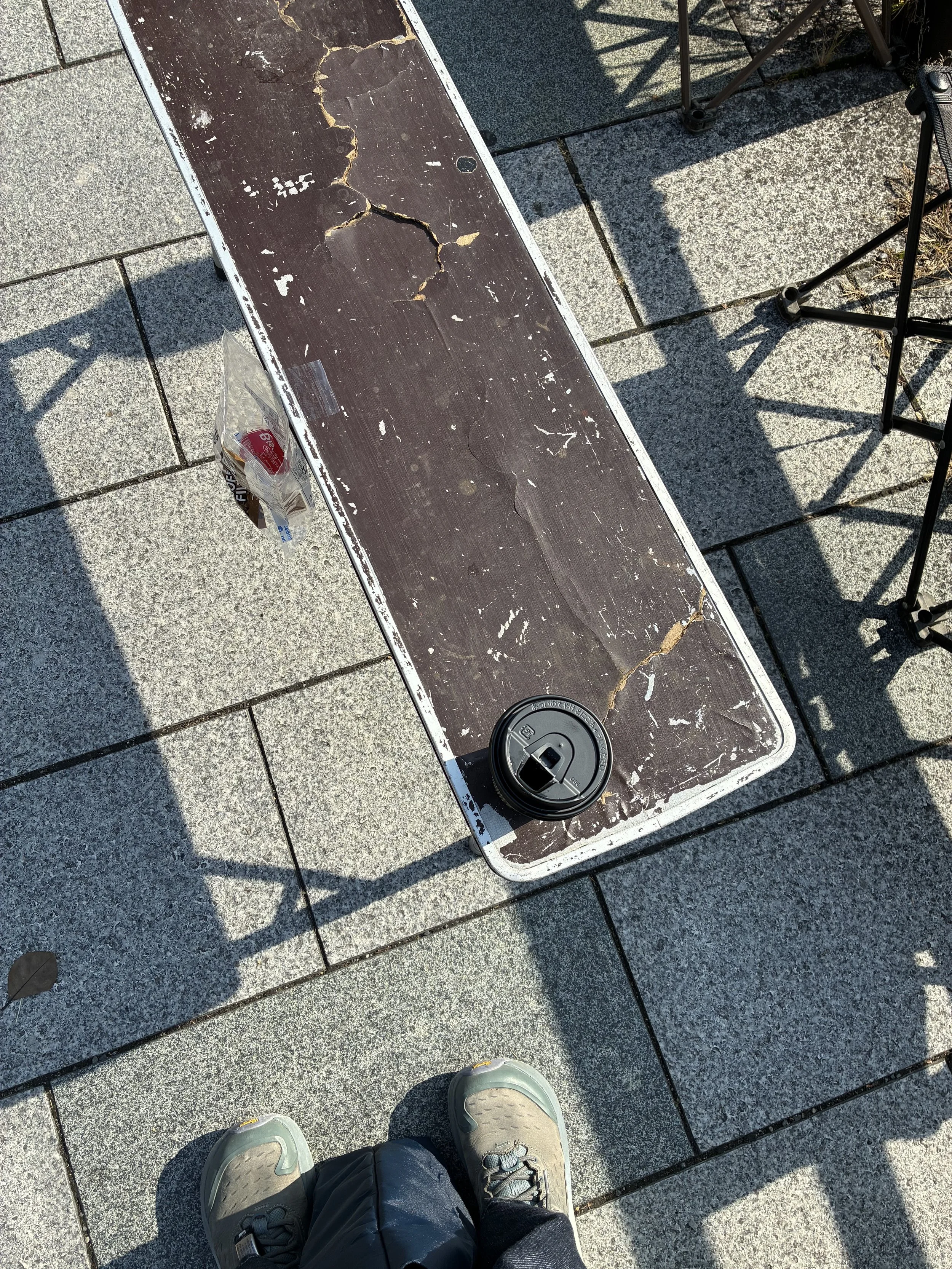
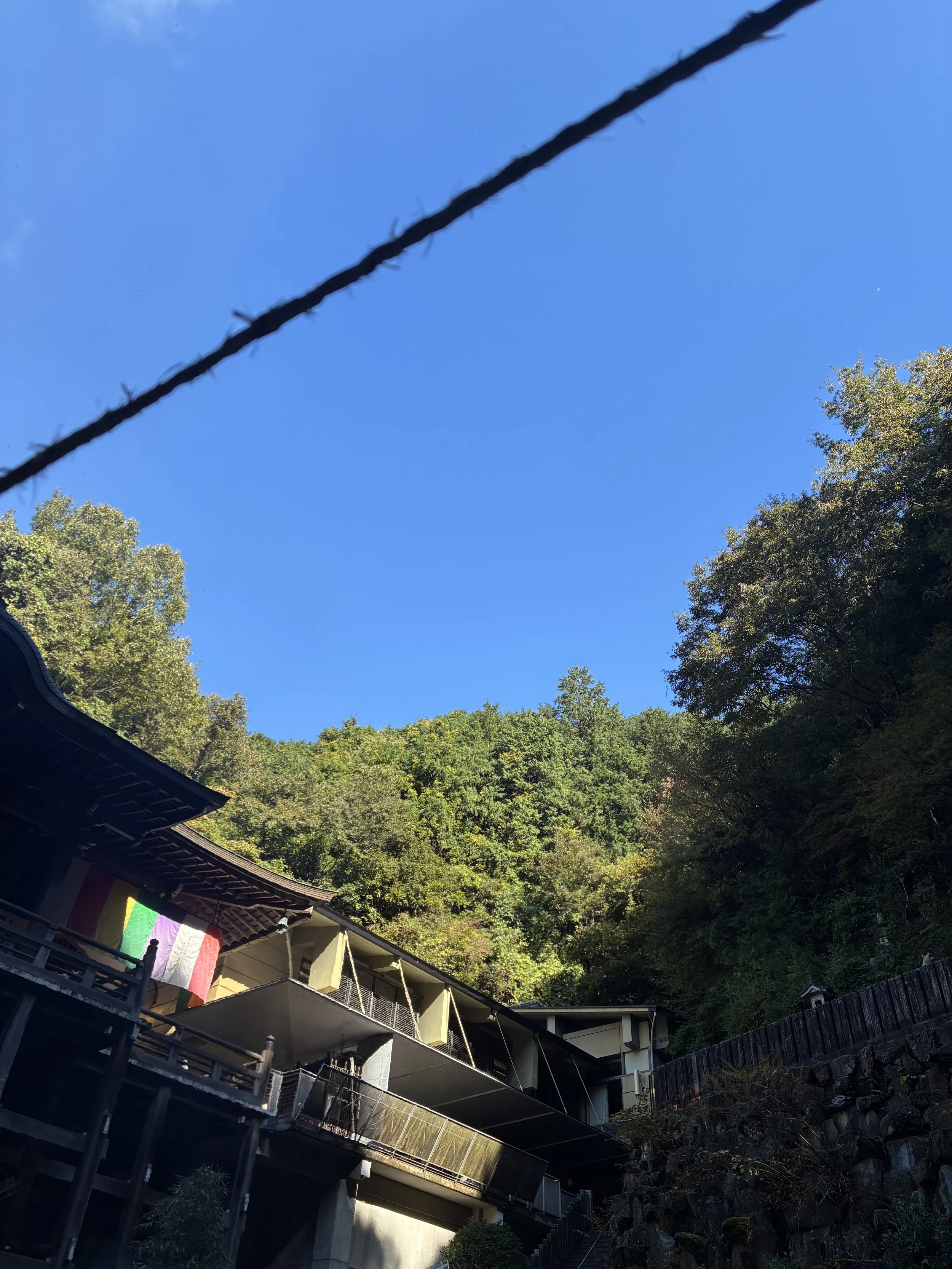
As I visit Saihoji Temple -also called Moss Temple, a Zen temple at the foot of the mountains West of Kyoto, and sit down for my lunch in the rest hut that is provided to that effect, I read their article “Zen Words for Everyday Life”.

The first sentence reads:

Life is not about what is“good” or “bad”. What is important is to consider how to make each day enjoyable.

According to Zen practice and as told in a famous koan from the Blue Cliff Record, life is not about what is“good” or “bad”. What is important is to consider how to make each day enjoyable.

SKY ABOVE

Earth Below

Kizuki

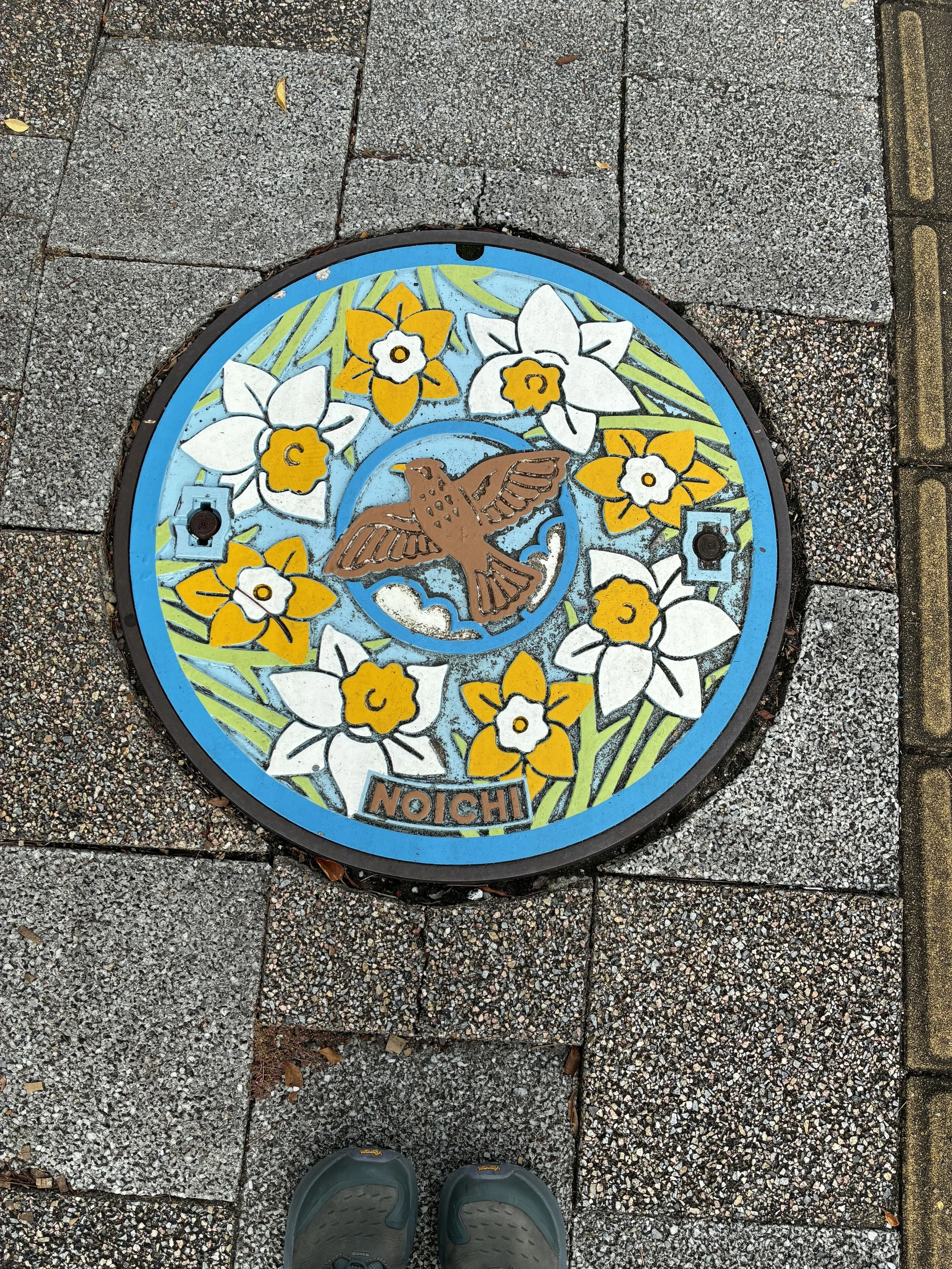
Last of 88- Dainichiji Temple, Noichi

This is the last temple that I visited on the Shikoku 88 temple pilgrimage completing the journey I started in April 2016. That day I saw two other pilgrims. It was very quiet, almost too quiet.

This temple (#28), as many others on the pilgrimage, is dedicated to Dainichi Nyorai which I have encountered many times on my journey. It’s also named after the deity. Dainichi Nyorai is considered to be the greatest Nyorai, one of the thirteen enlightened beings or deities that are represented in Shingon buddhism.

(Inside the main hall of each temple site, there is a statue of the deity which is considered to be the central religious figure of each site).

One specific encounter with Dainichi Nyorai for me happened at a special ceremony on Mount Koya in early October called Kechien Kanjo: Kechien means "to form a connection" and Kanjo means "anointment" or "initiation."

This ceremony is usually reserved for monks during advanced training, but at Mount Koya, anyone can participate. During the ceremony, participants are blindfolded and guided in front of a mandala, which is a symbolic map of the Buddhist universe. They are asked to throw a flower onto the mandala. The spot where the flower lands shows which Buddha they are now spiritually connected with. My flower landed on Dainichi Nyorai.

During the two-hour ritual, together with hundreds of other blind folded pilgrims, I was guided into the Kondo Hall as we recited repeatedly “Namu Daishi Henjo Kongo”, the mantra of Kobi Daishi, the saint who founded Shigon buddhism in Japan and the 88 temple pilgrimage in the eight century. We also chanted the Dainichi Nyorai’s mantra: “Om, Abira unken, bazara dadoban”.

The point of the Kechien Kanjo ceremony is to lead you to realize that you are the Dainichi Nyorai yourself.

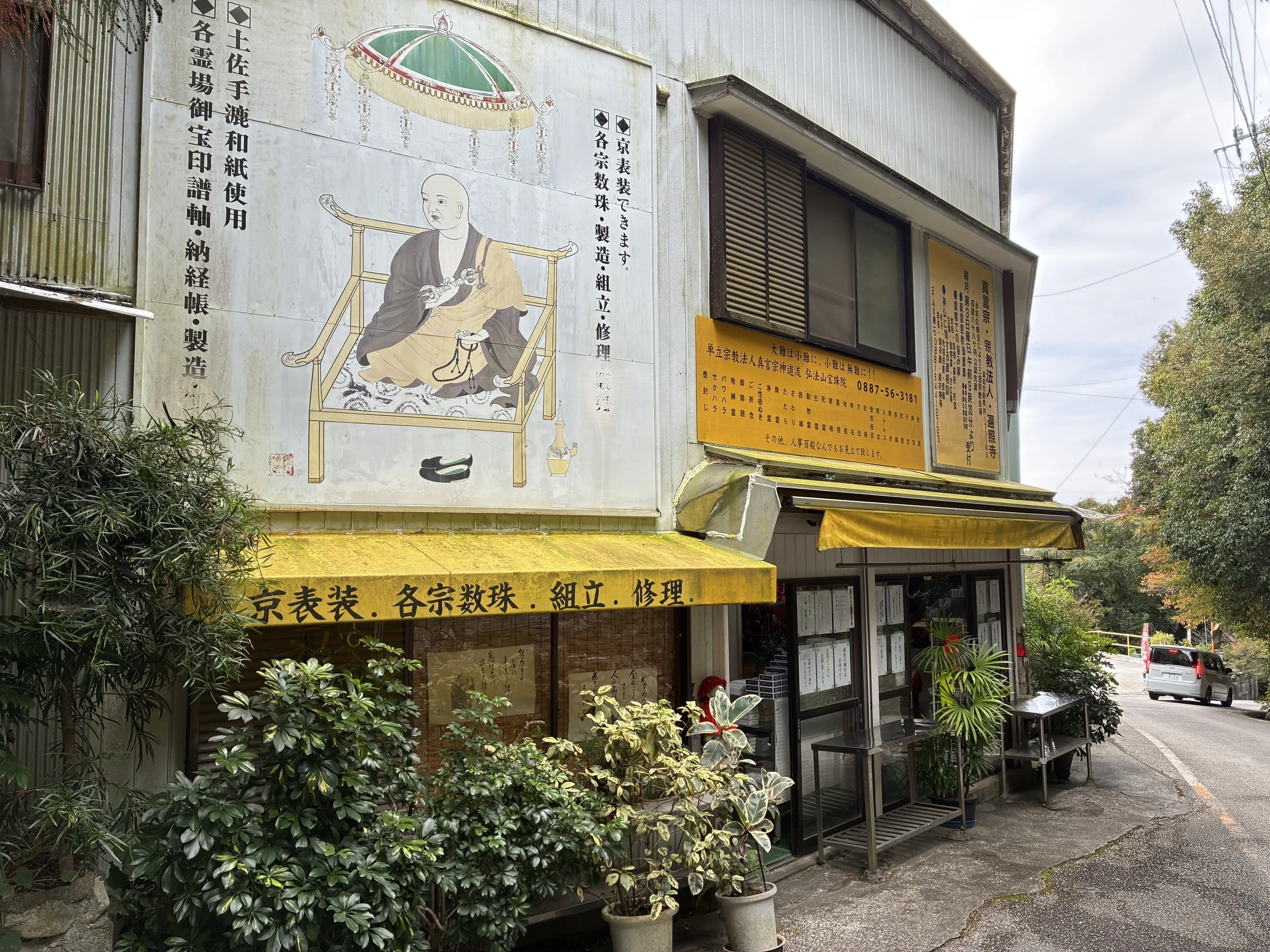
There was a shop at the bottom of Temple 28. To keep the connection alive and to return with a memento of that day, I bought a bracelet with a pearl through which a picture of Dainichi Nyorai can be seen. I shared my accomplishment with the woman at the store. She congratulated me. I thanked her for celebrating me and I left.

SKY ABOVE

EARTH BELOW

kizukis

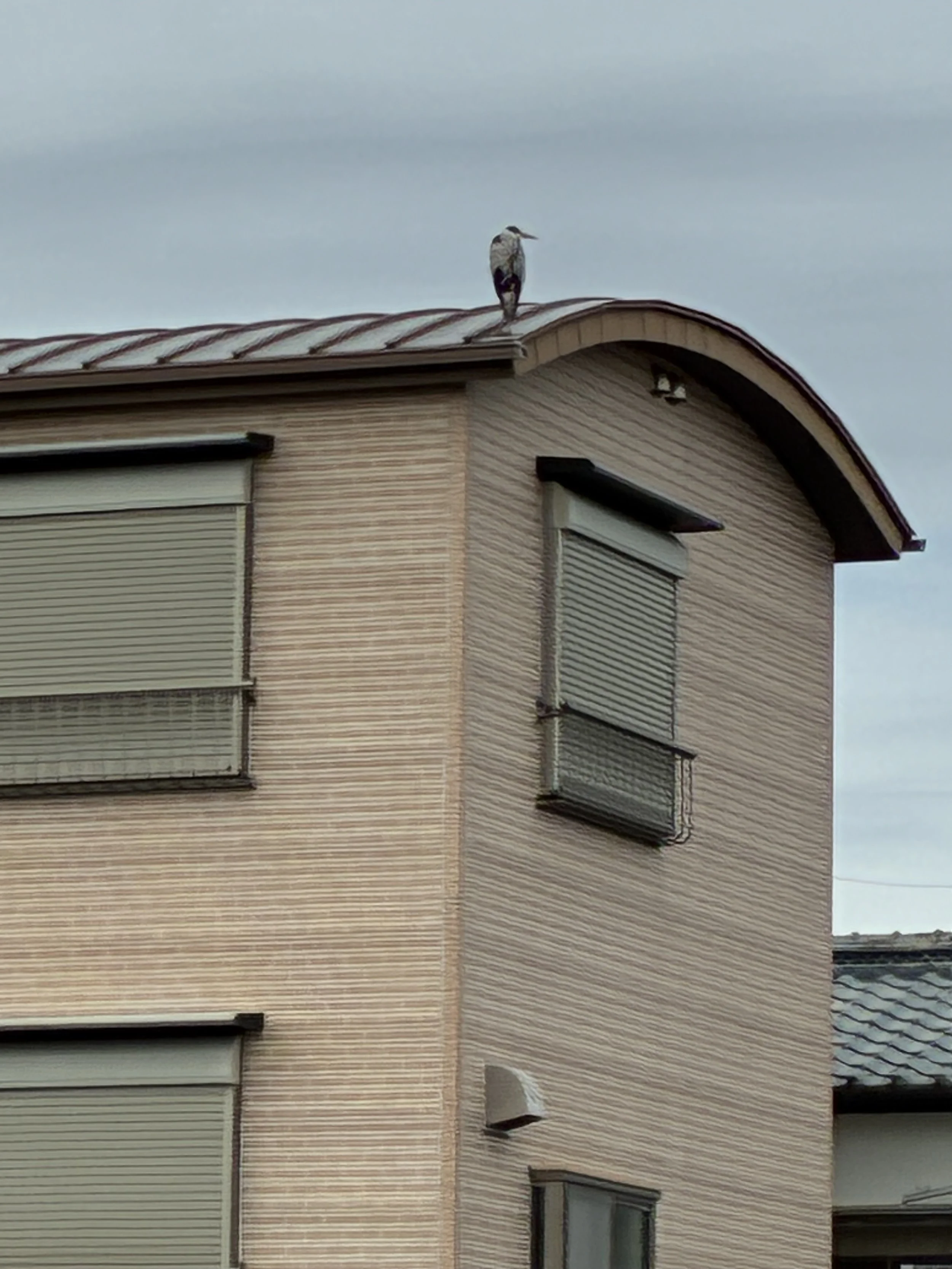
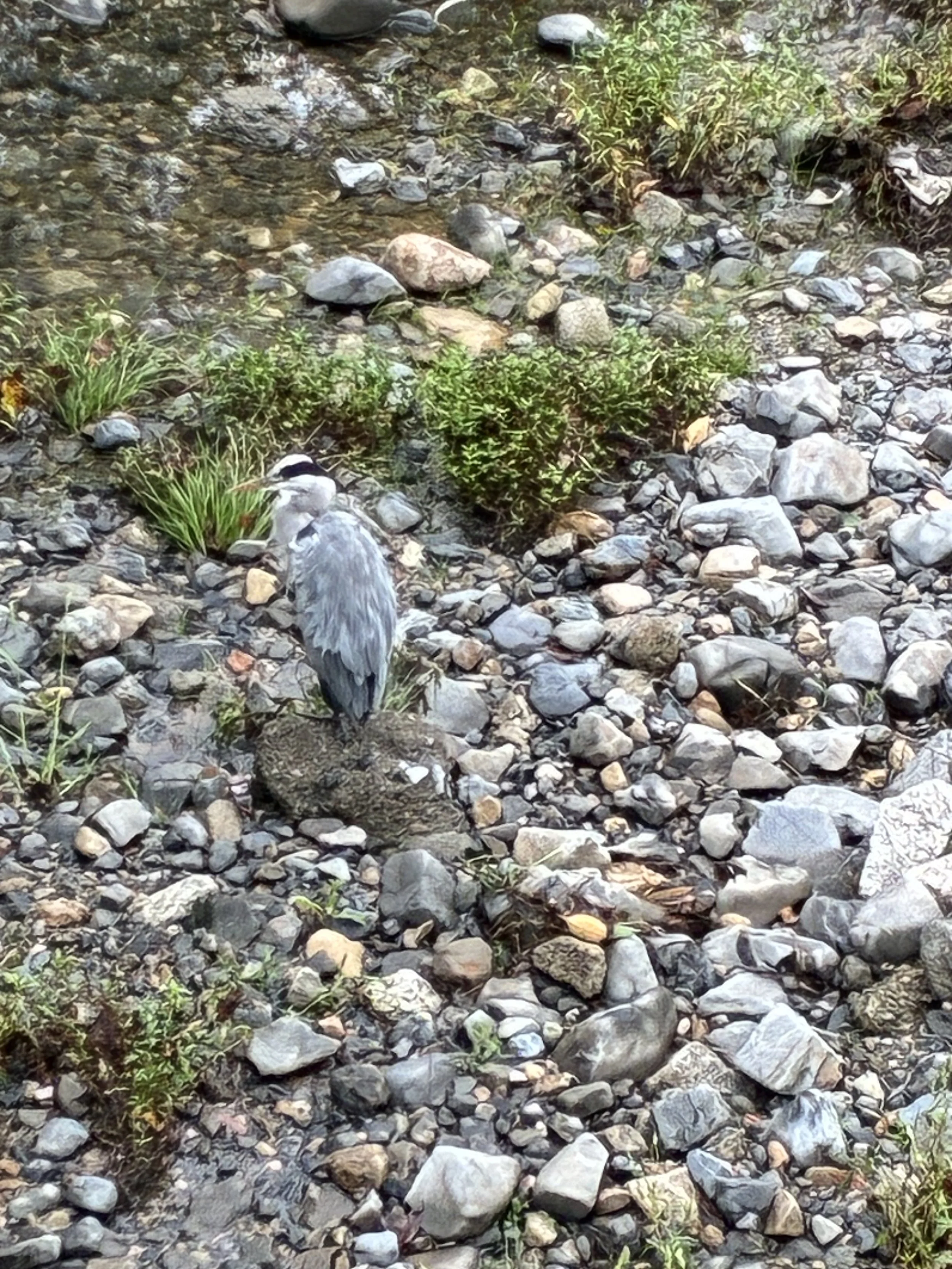
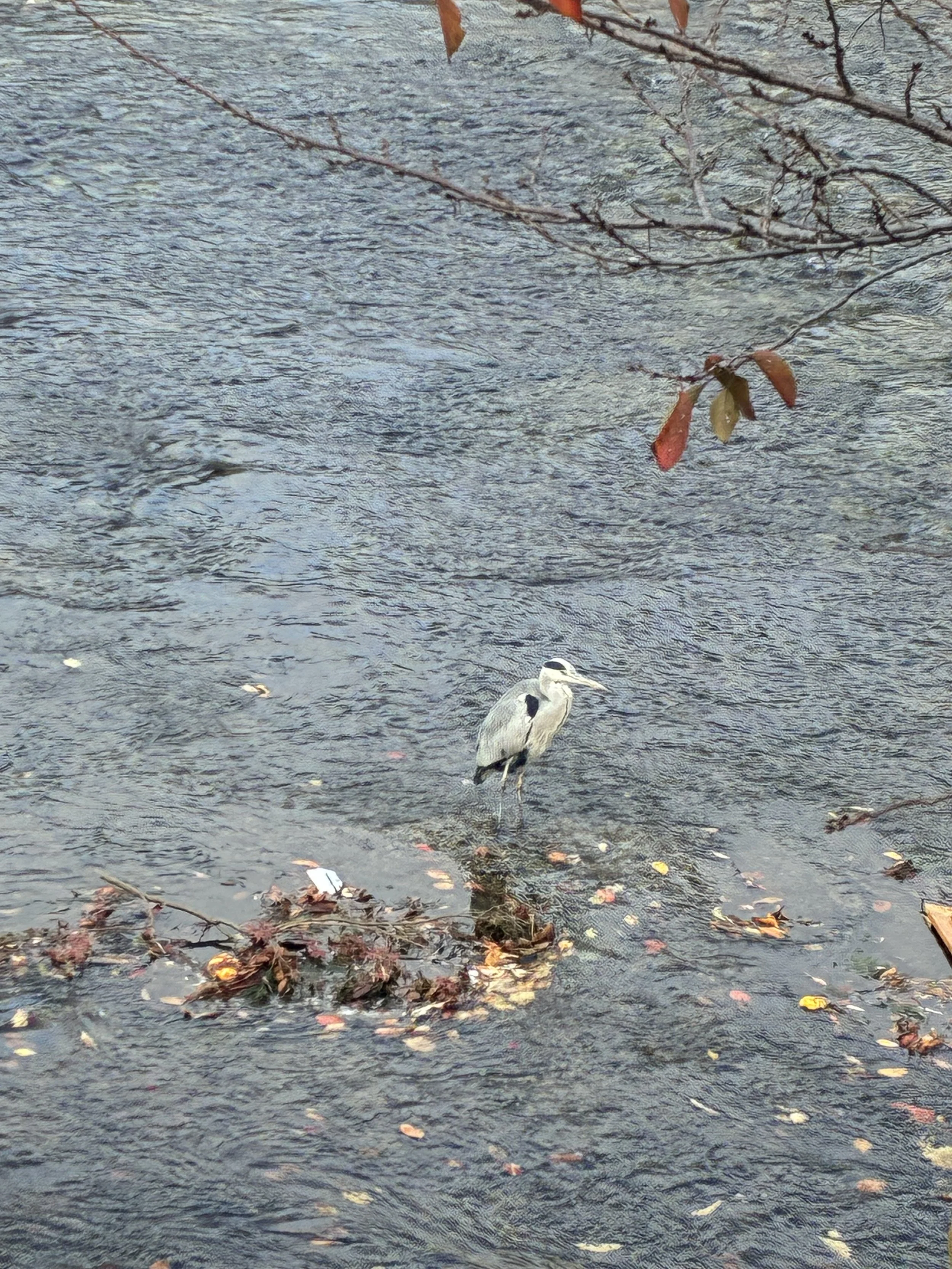
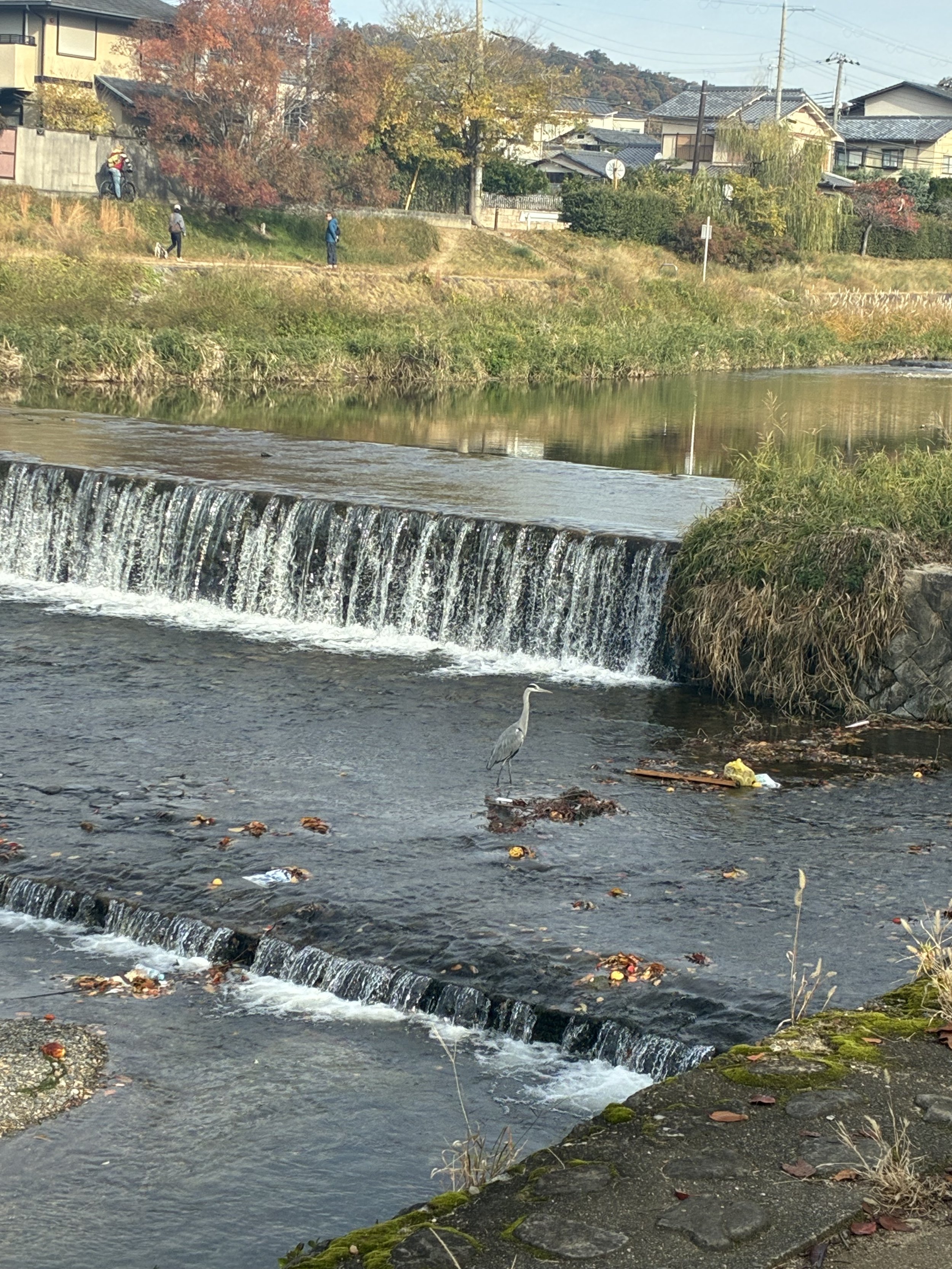
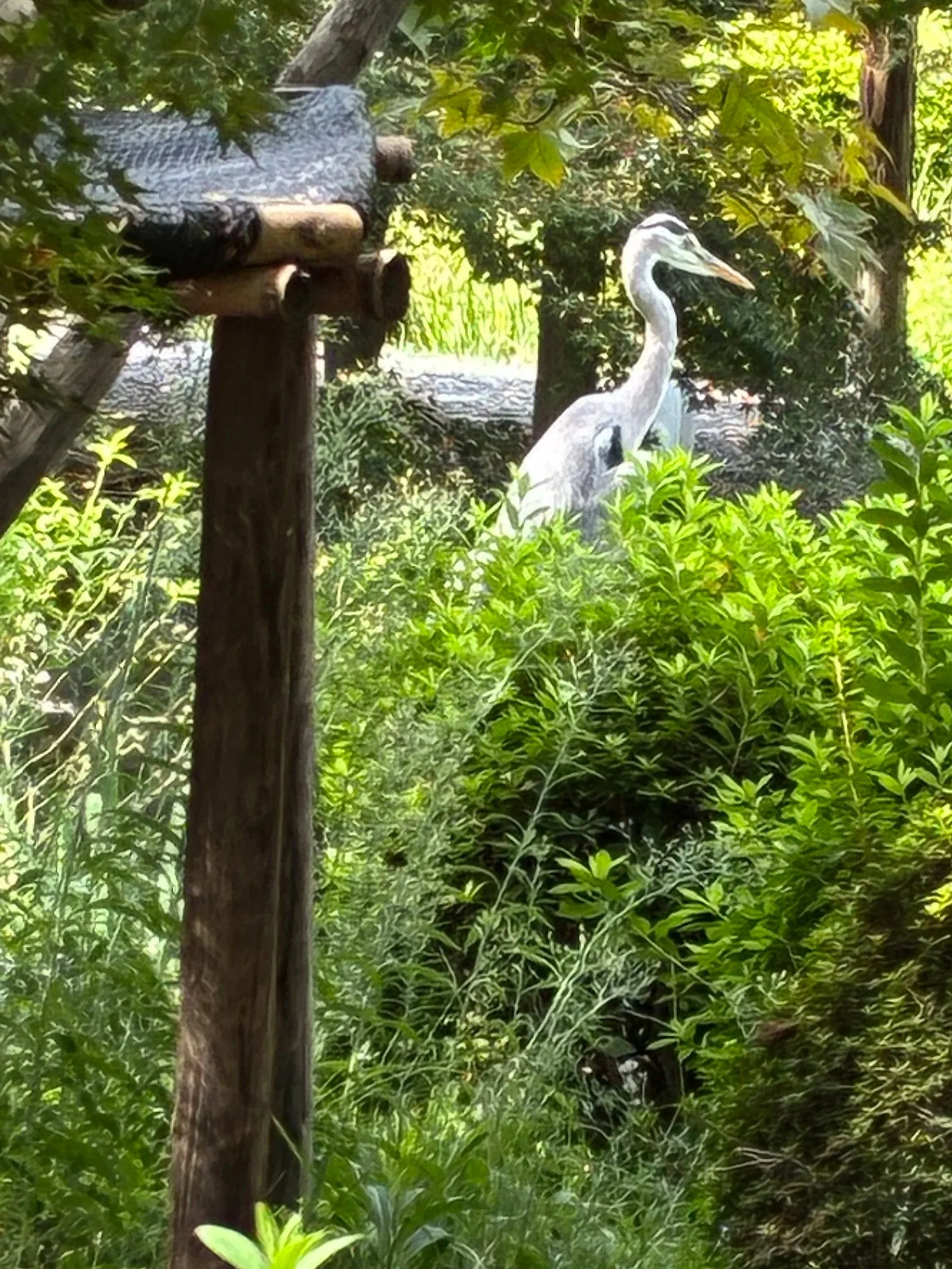
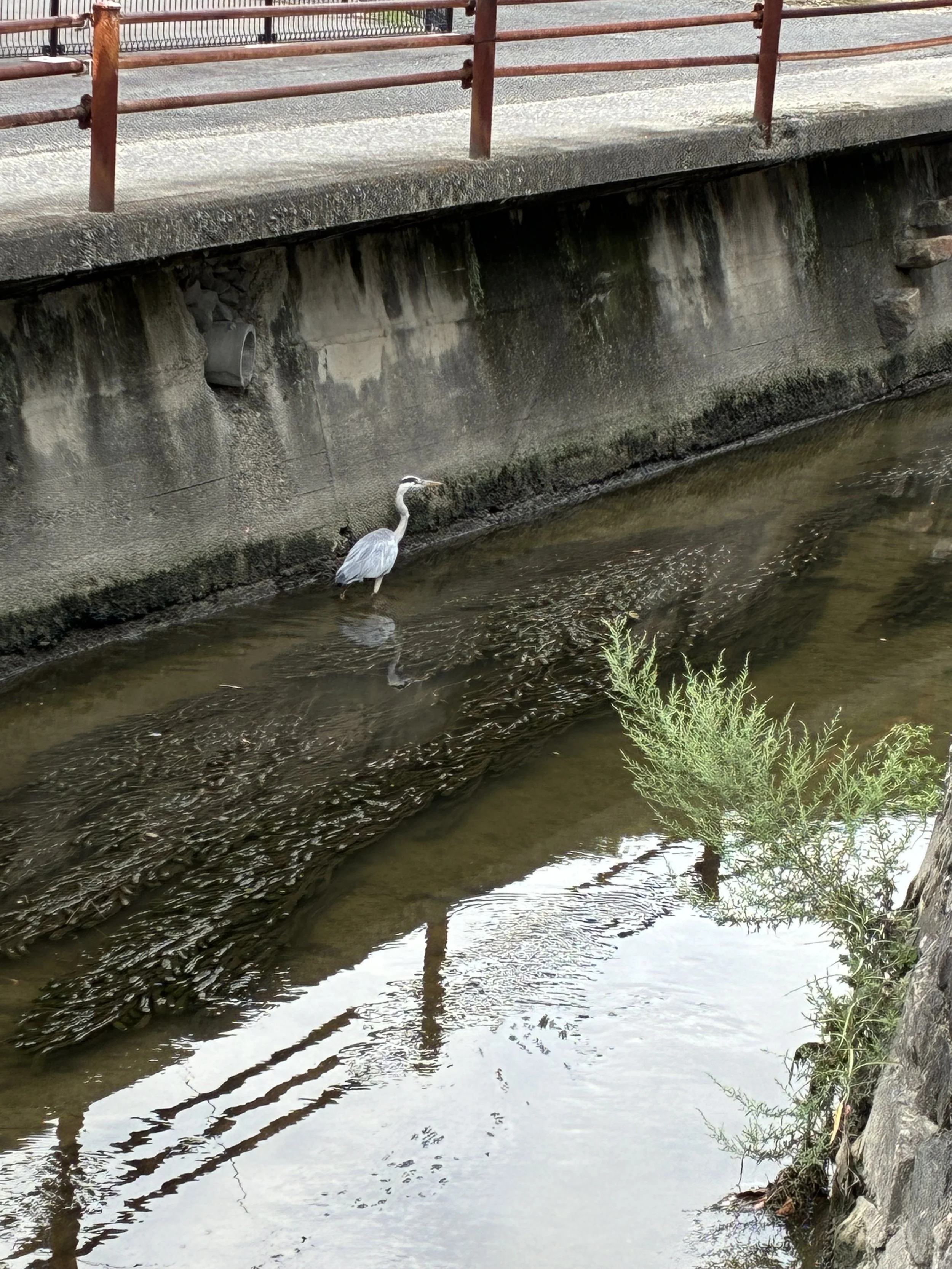
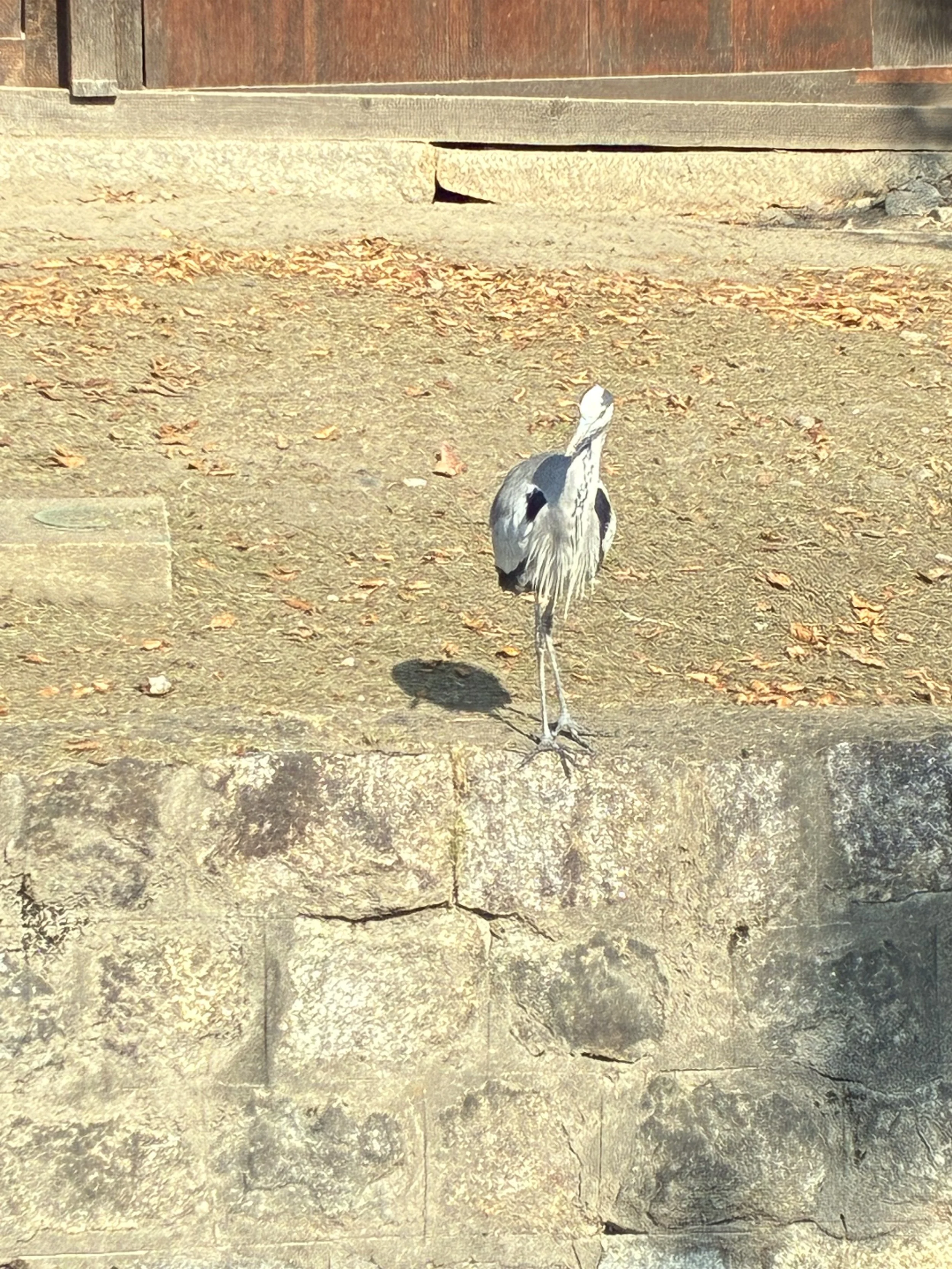
Heron at Flea Market- To-ji Temple, Kyoto

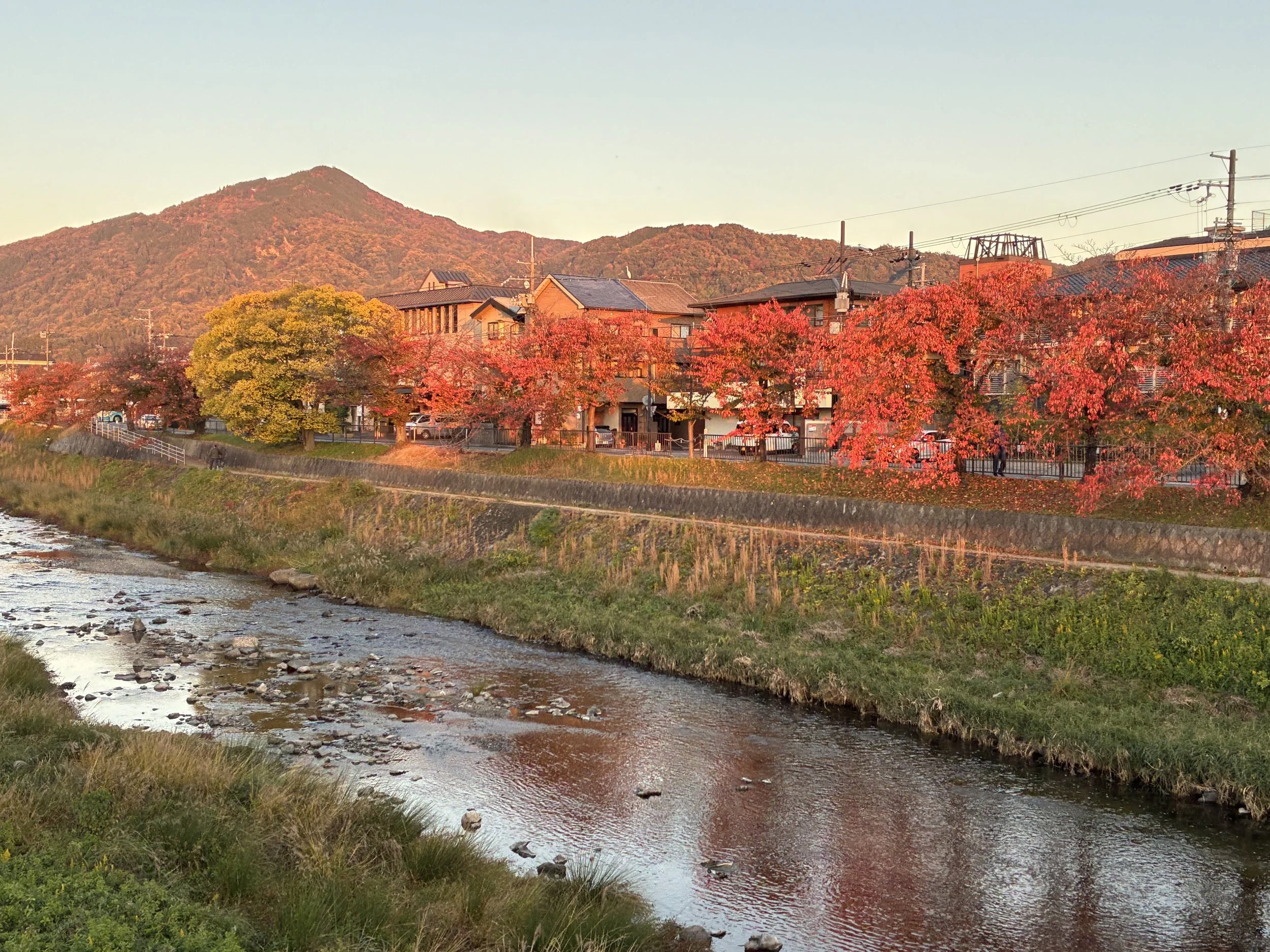
Herons are everywhere in Japan, wading on the banks of the Kamogawa river in Kyoto, fishing in a canal by the To-ji temple while tourists and shoppers walk by to visit the monthly flea market, or perched on a tree or house in a village.

I have been wondering what the sightings of so many of these majestic birds mean. A search on the internet results as follows:

Seeing a blue heron can be interpreted as a symbol of patience, self-reliance, and good fortune, suggesting a message to pause and act with grace. It can also represent a spiritual messenger, symbolizing divine communication, inner wisdom, or a reminder to be still and self-determined.

SKY ABOVE

EARTH BELOW

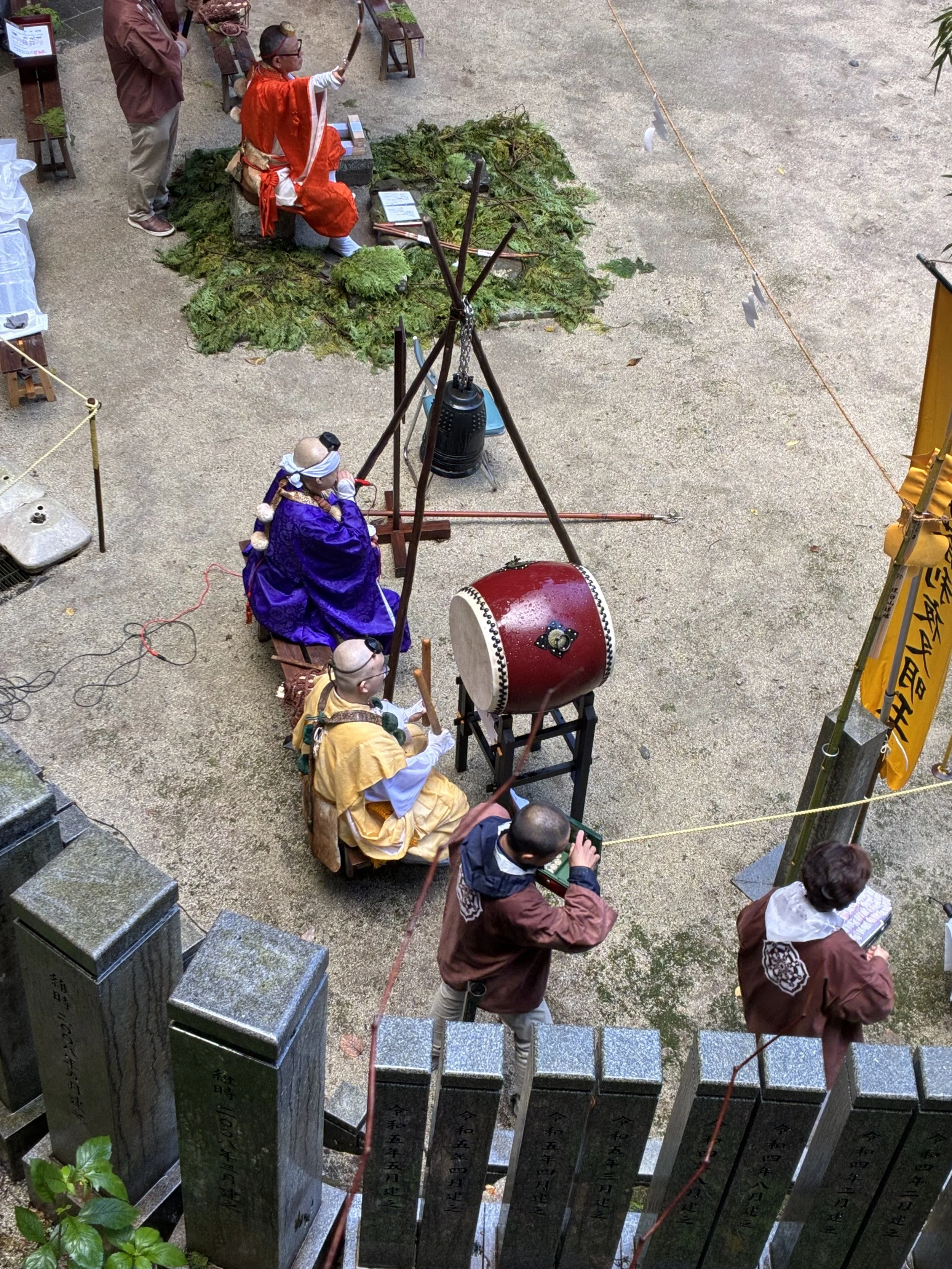
Fire Purification Ritual- Tanukidani-san Fudo-in Temple, Kyoto

Aki Matsuri Fall festival at Tanukidani-san Fudo-in Temple in Kyoto

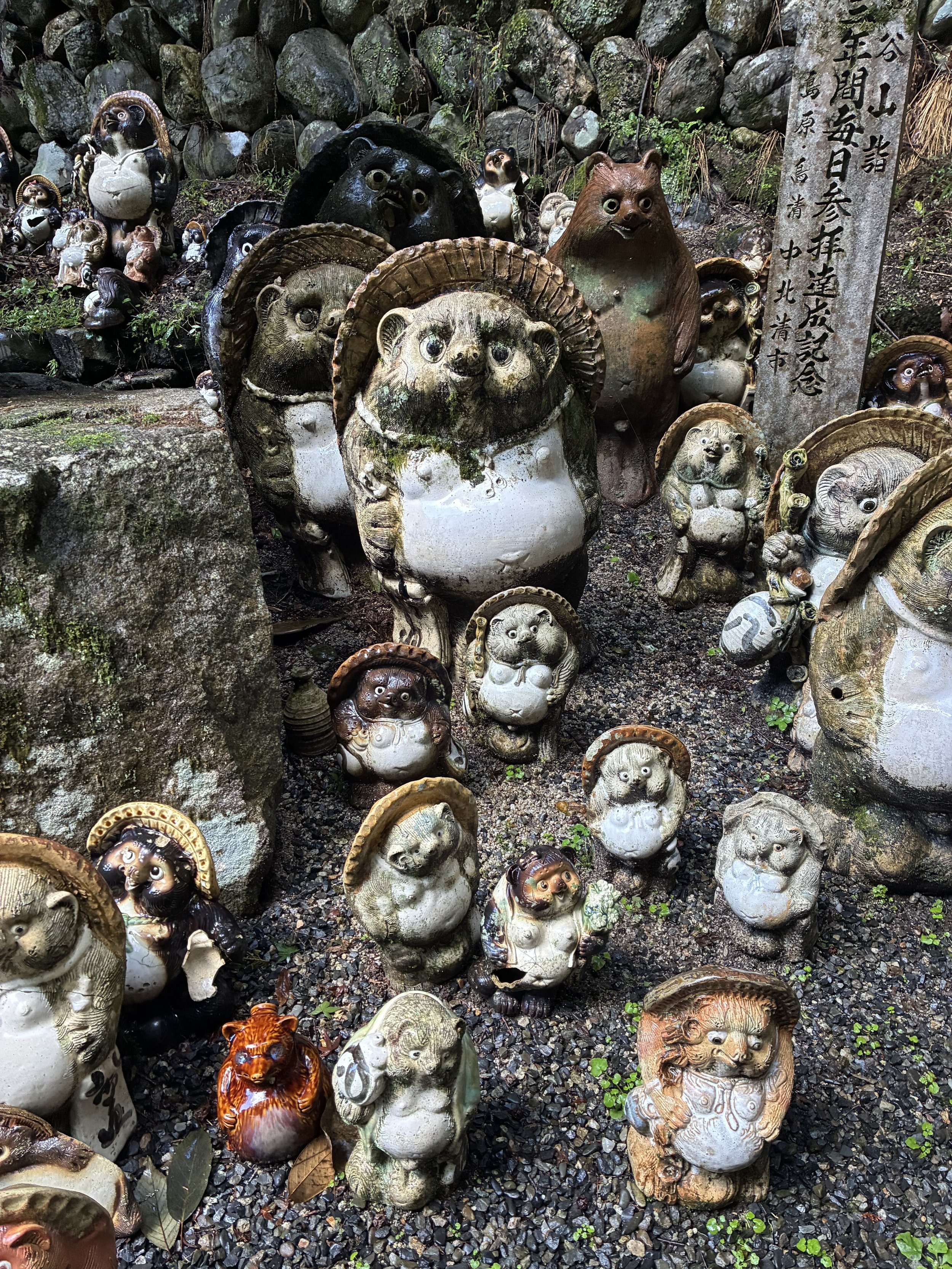
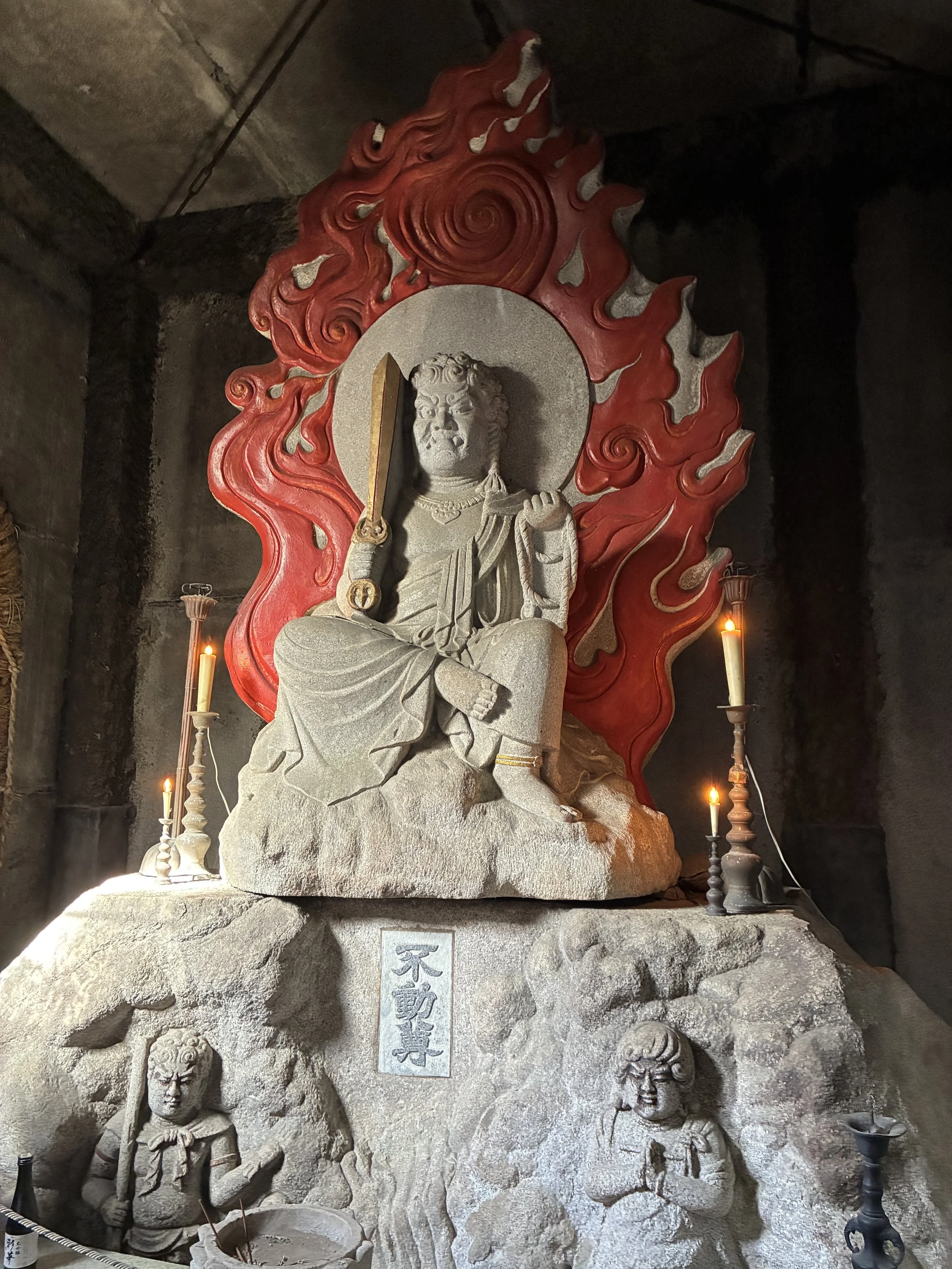
In Japan, the changing of the seasons is celebrated with rituals, usually those that focus on praying to cleanse oneself of past wrongs and to pray for blessings in the future. Tanukidani-san Fudo-in Temple celebrates its Fall Festival called Aki Matsuri in early November. The Aki Matsuri involves visitors writing their wishes on wooden tablets (gomagi) and monks who practice a form of mountain asceticism called Shugendo throwing those wooden tablets into a sacred bonfire (goma) as witnessed in the videos. With the sound of Buddhist sutras in the air, the wishes of the participants are blessed as they are engulfed in the fire. I heard about Shugendo, a blending of Shinto and Buddhist practices, from Alena, the mountain guide that I worked with on my Women’s Pilgrimages. This blending of Shintoism and Buddhism is particularly evident at Tanukidani-san Fudo-in temple. Just the name of the temple reflects that: Tanuki is the name for the Japanese raccoon dog and is deeply embedded in the Shinto folklore while Fudo Myyo is an important deity in Shingon buddhism as a wrathful protector of the Buddhist law. To get to the temple, you have to walk 250 steps. On most of the steps a small statue of a tanuki has been placed. The main temple enshrines a statue of Fudo Myyo in a cave. There is a waterfall for the practice of Takigyo, an ancient ascetic ritual where practitioners stand under freezing, pounding waterfalls to purify body and mind, achieving spiritual clarity and connection with nature by enduring intense sensory shock, chanting mantras, and confronting internal challenges, leading to feelings of rebirth and mental reset. It's a core part of Shugendo. Alena has written extensively about Shugendo and how as a young woman from Eastern Germany, she came to become a practitioner. You can find her writings in a set of articles titled Shugendo Diaries. Attending Aki Matsuri at this temple was the third time I visited the grounds. During the previous two visits, I had been mostly on my own or with a couple of other visitors. The fire festival made the place and Shugendo come to life in a spectacular way and allowed me to further appreciate the integration of the two traditions. Enjoy my amateur videos!

SKY ABOVE

Earth below

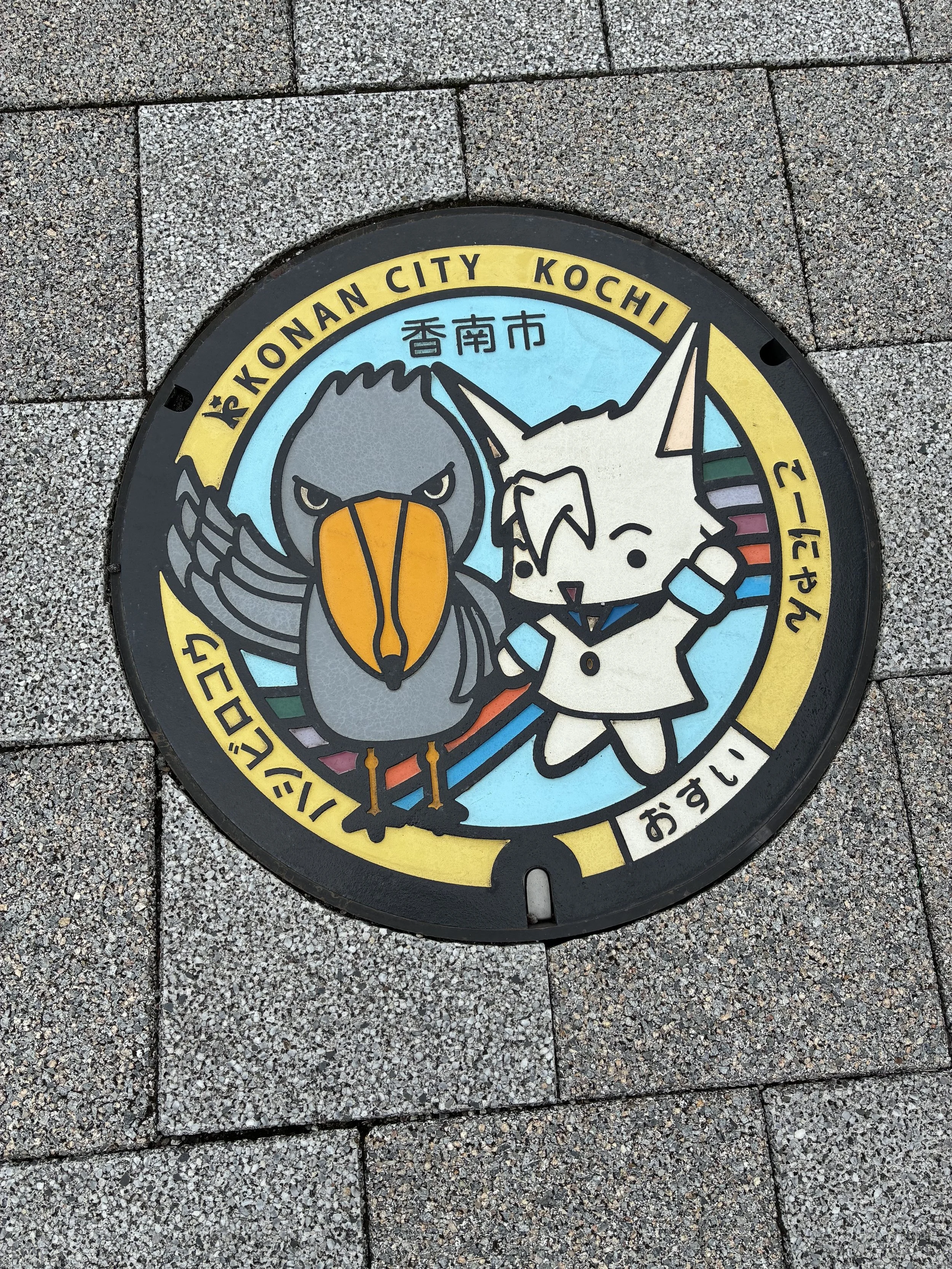
kizuki: tanukis or raccoon dogs statues

To read mor about tanukis, check out my May 2025 newsletter then watch the studio Ghibli movie Pom Poko.

Lessons from Pom Poko- Exploring Climate Change, Connection and Community

In January, after the devastating fires in Los Angeles, I wrote about Fudo Myoo and how to use the strong and fierce energy of anger in beneficial, protective, ways.

Taming the Fudo Myo within

A Different Vibe and Yet ... - Tokyo

SKY ABOVE

EARTH BELOW

Reuse, Reduce, Recycle especially for clothing, is a RE-al movement in Japan as demonstrated by major retailers: Re-UNIQLO, Re-MUJI, Bring.org and many others.


kizuki

Before the white chrysanthemum
the scissors hesitate
   a moment.

~Buson
Translated by Robert Hass

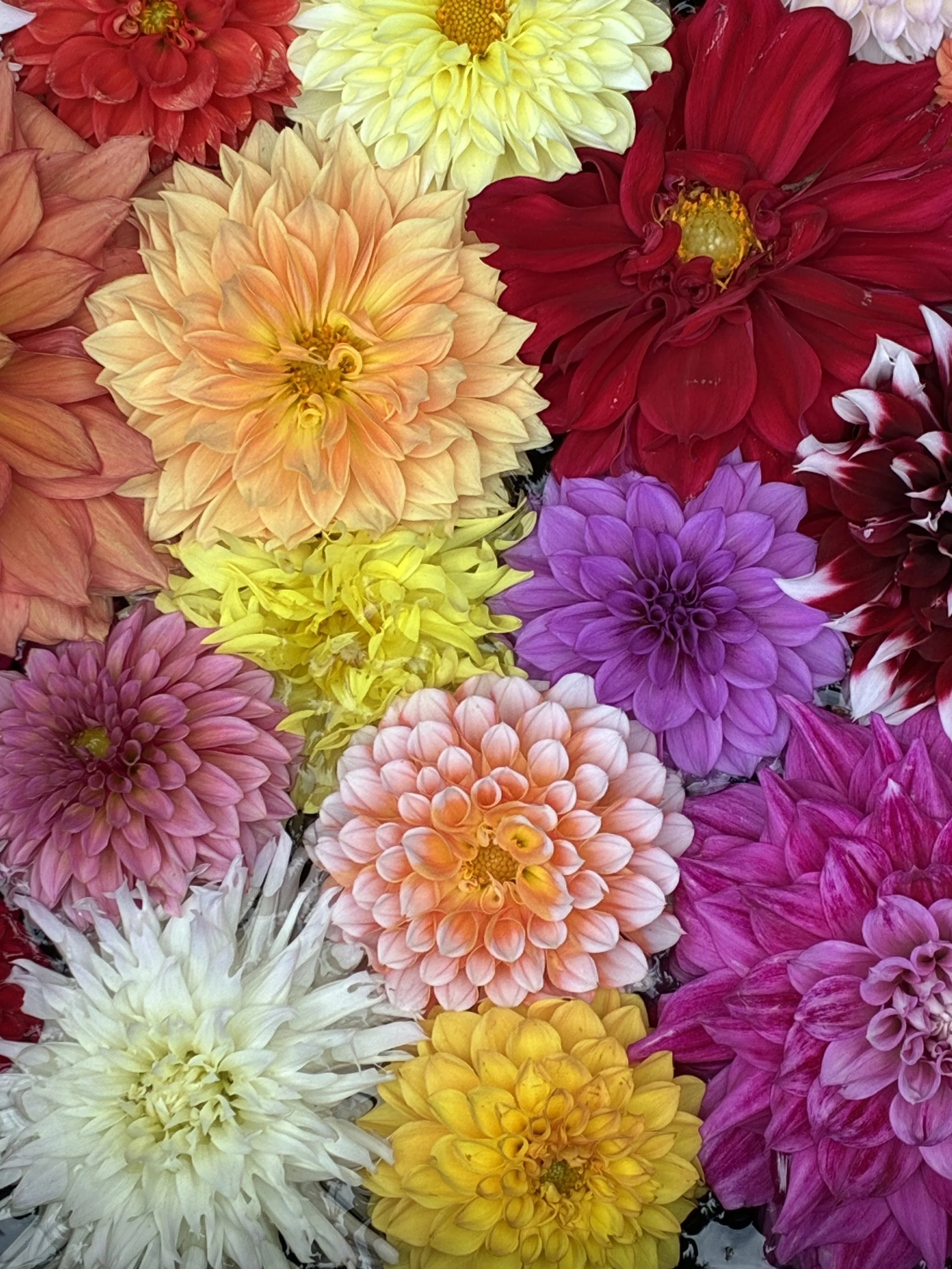
The chrysanthemum is the symbol of the Imperial family, and its 16-petal design serves as the imperial crest.  

Elemental Gorintos- Okunoin, Mount Koya

Gorintos

The gorintō (五輪塔 lit. five ring tower) is a pagoda found almost only in Japan and believed to have been first adopted by the Shingon and Tendai sects during the mid Heian period. It is used as a tomb marker or as a cenotaph, and is therefore a common sight in Buddhist temples and cemeteries. It is also called gorinsotōba (五輪卒塔婆) ("five-ringed stupa") or goringedatsu (五輪解脱), where the term sotoba is a transliteration of the Sanskrit word stupa.[12]

In all its variations, the gorintō is made of five blocks (although that number can sometimes be difficult to detect), each having one of the five shapes which symbolize of the Five Elements believed to be the basic building blocks of reality: earth (cube), water (sphere), fire (pyramid), air (crescent), and ether, energy, or void (lotus).[11] The last two rings (air and ether) are visually and conceptually united into a single subgroup.

Five elements

  • The square base represents earth

  • The hemispherical dome/vase represents water

  • The conical spire represents fire

  • The upper lotus parasol and the crescent moon represent air

  • The sun and the dissolving point represent the element of space

If you want more: Gorinto: a uniquely Japanese five element stupa (from Elemental Japan website)


SKY ABOVE

EARTH BELOW


Kizuki

The word "Kizuki" can mean the act of "noticing," "realizing," or "becoming aware of" something (気付き) in Japanese.

Verses for Environmental Practice- Ginkakuji, Kyoto

gardeners at the temple of the silver pavilion

SKY Above

Earth Below


Kizuki

The word "Kizuki" can mean the act of "noticing," "realizing," or "becoming aware of" something (気付き) in Japanese.

POEM

Verses for Environmental Practice by Robert Aitken Roshi

Waking up in the morning
I vow with all beings
to be ready for sparks of the Dharma
from flowers or children or birds.

Sitting alone in zazen
I vow with all beings
to remember I’m sitting together
with mountains, children, and bears.

Looking up at the sky
I vow with all beings
to remember this infinite ceiling
in every room of my life.

When I stroll around in the city
I vow with all beings
to notice how lichen and grasses
never give up in despair.

Watching a spider at work
I vow with all beings
to cherish the web of the universe:
touch one point and everything moves.

Preparing the garden for seeds
I vow with all beings
to nurture the soil to be fertile
each spring for the next 1000 years.

When people praise me for something
I vow with all beings
to return to my vegetable garden
and give credit where credit is due.

With tropical forests in danger
I vow with all beings
to raise hell with the people responsible
and slash my consumption of trees.

With resources scarcer and scarcer
I vow with all beings
to consider the law of proportion:
my have is another’s have-not.

Watching gardeners label their plants
I vow with all beings
to practice the old horticulture
and let plants identify me.

Hearing the crickets at night
I vow with all beings
to keep my practice as simple –
just over and over again.

Falling asleep at last
I vow with all beings
to enjoy the dark and the silence
and rest in the vast unknown.