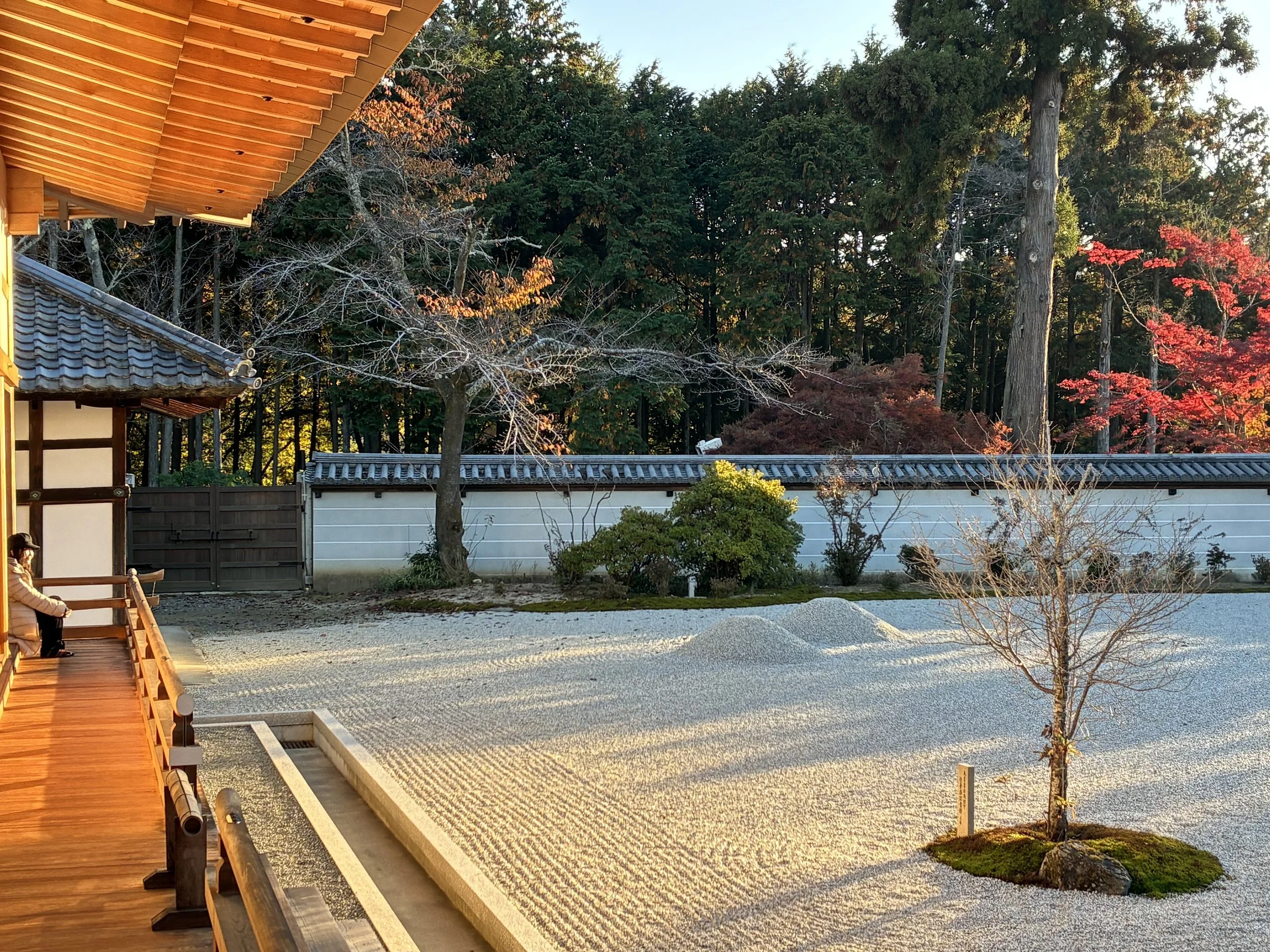
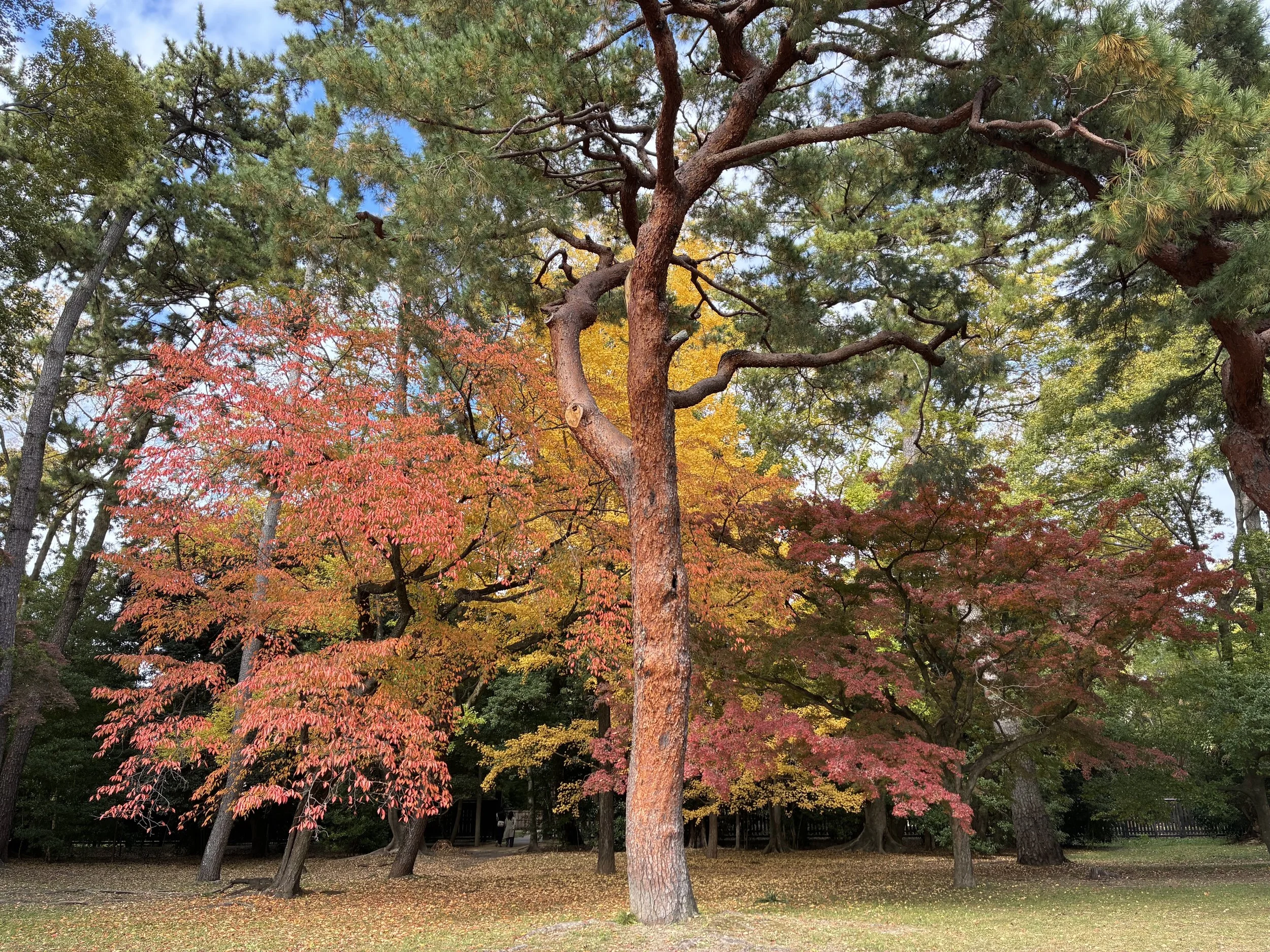
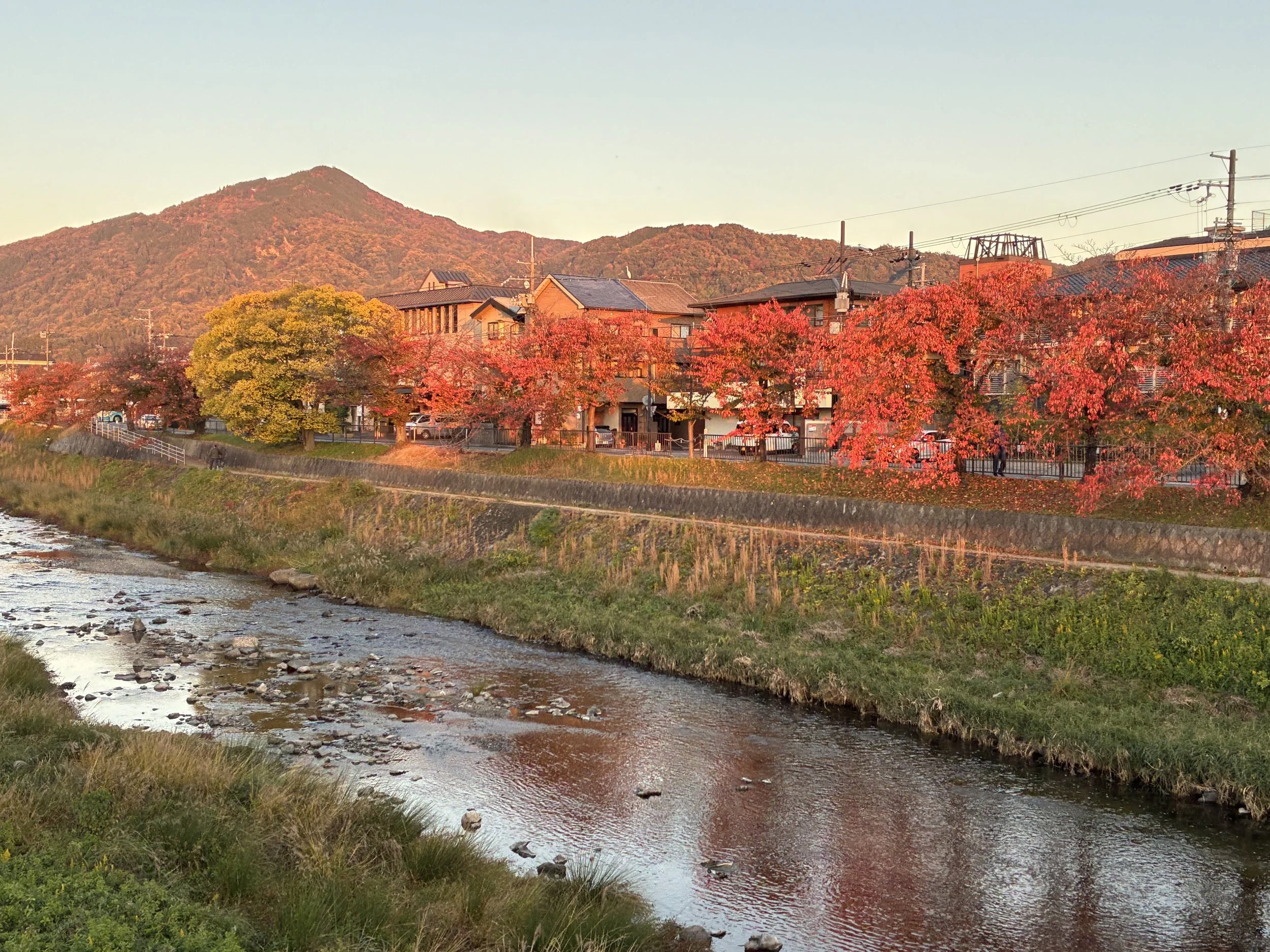
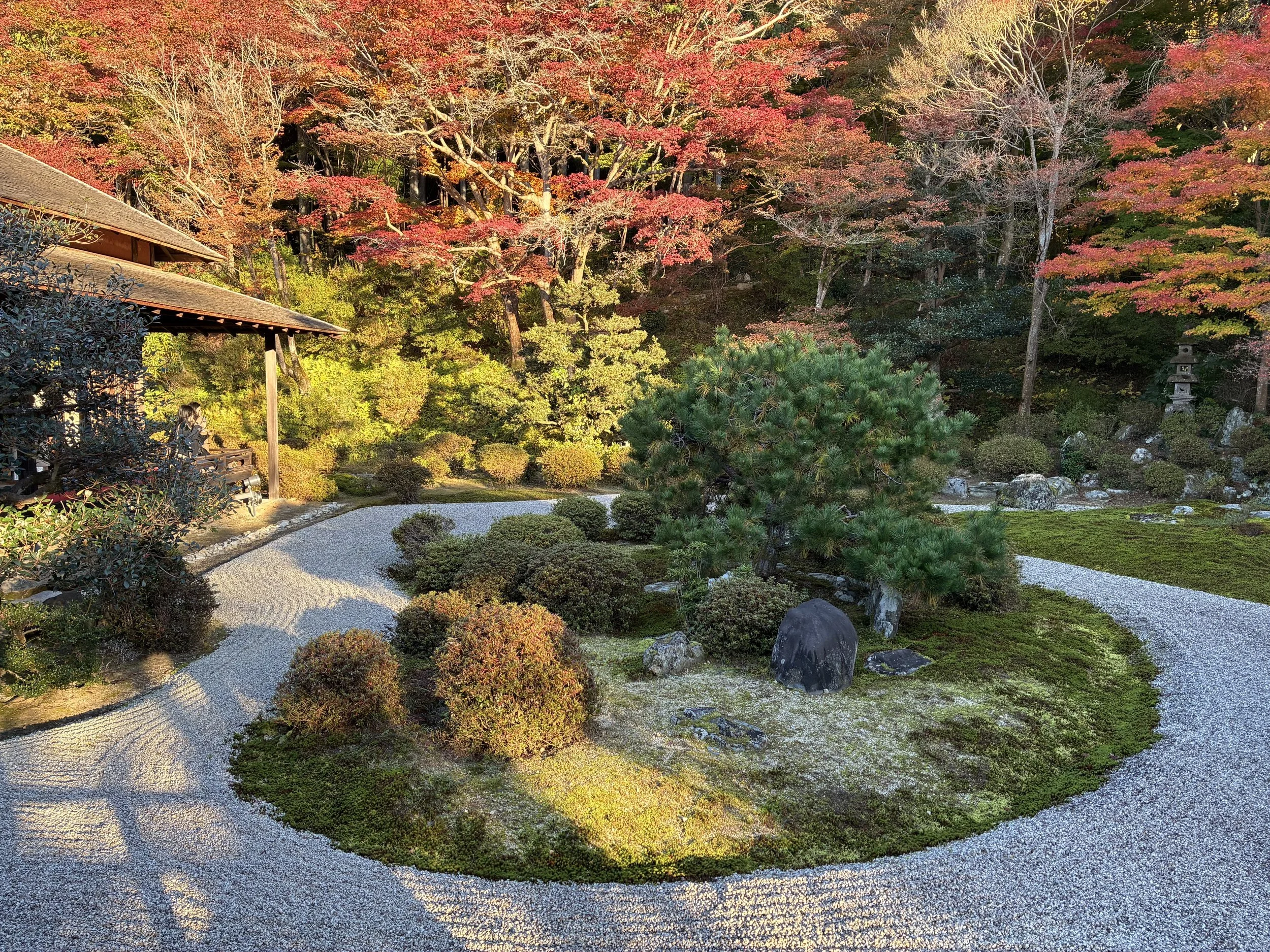
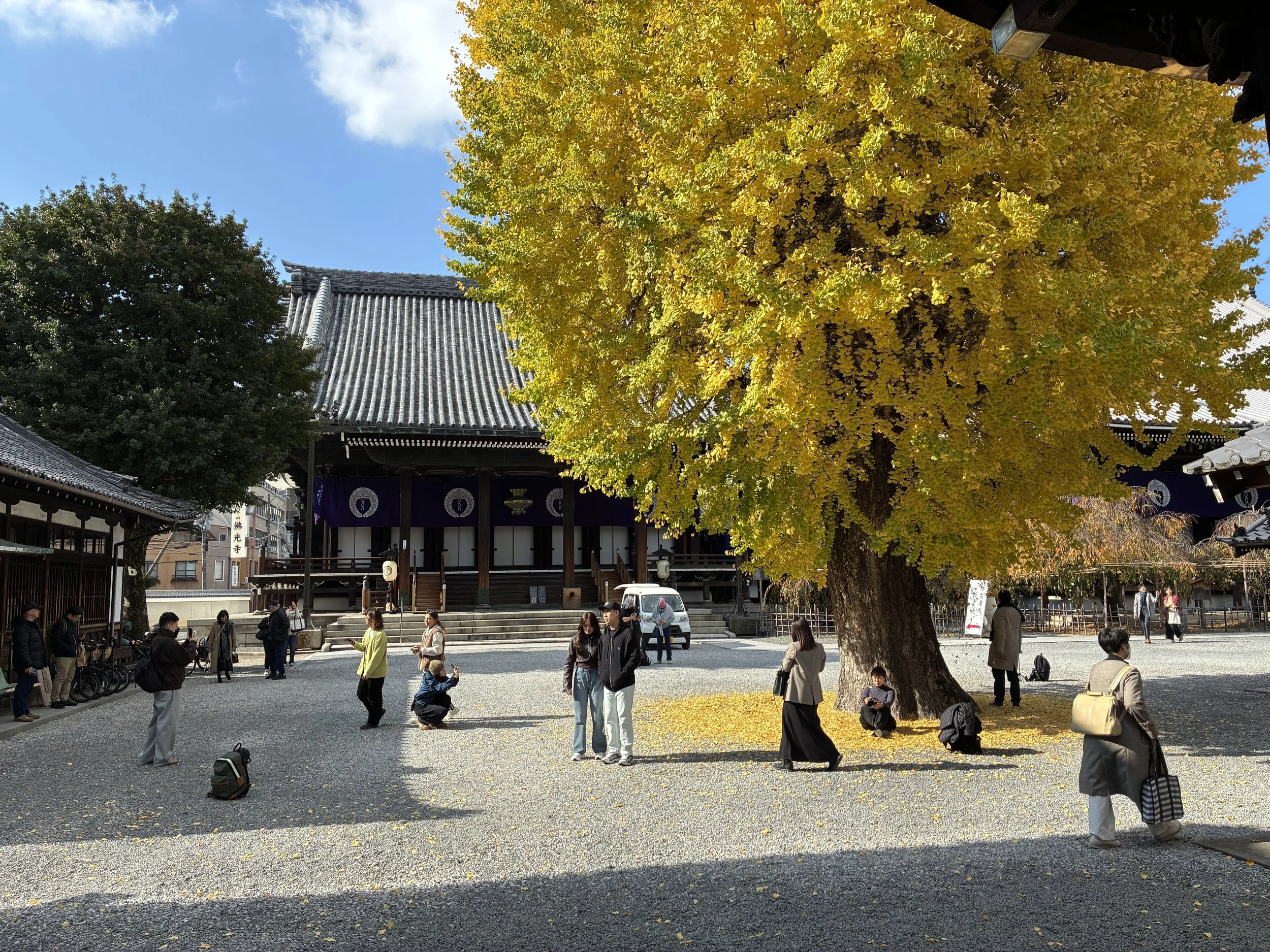
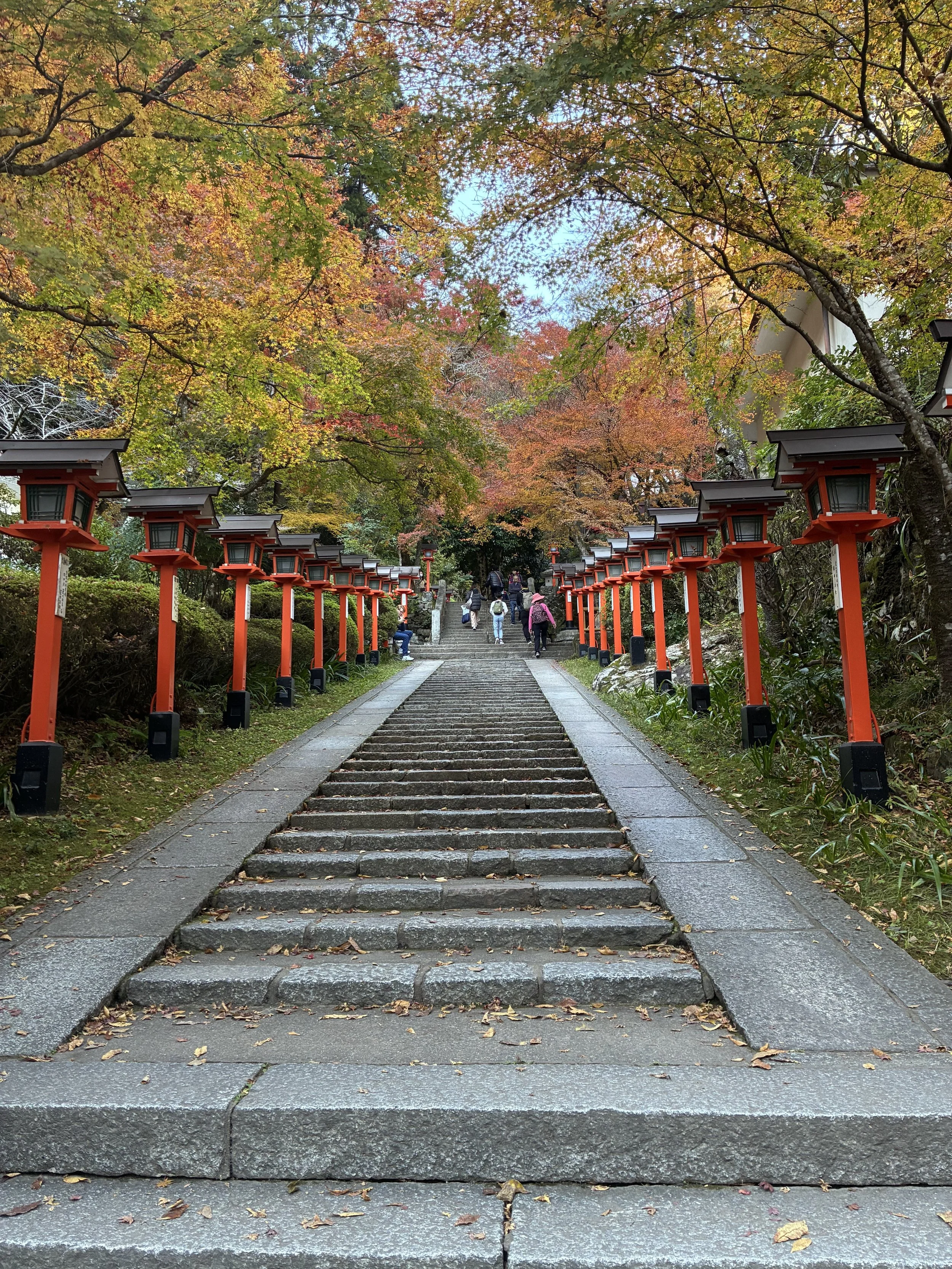
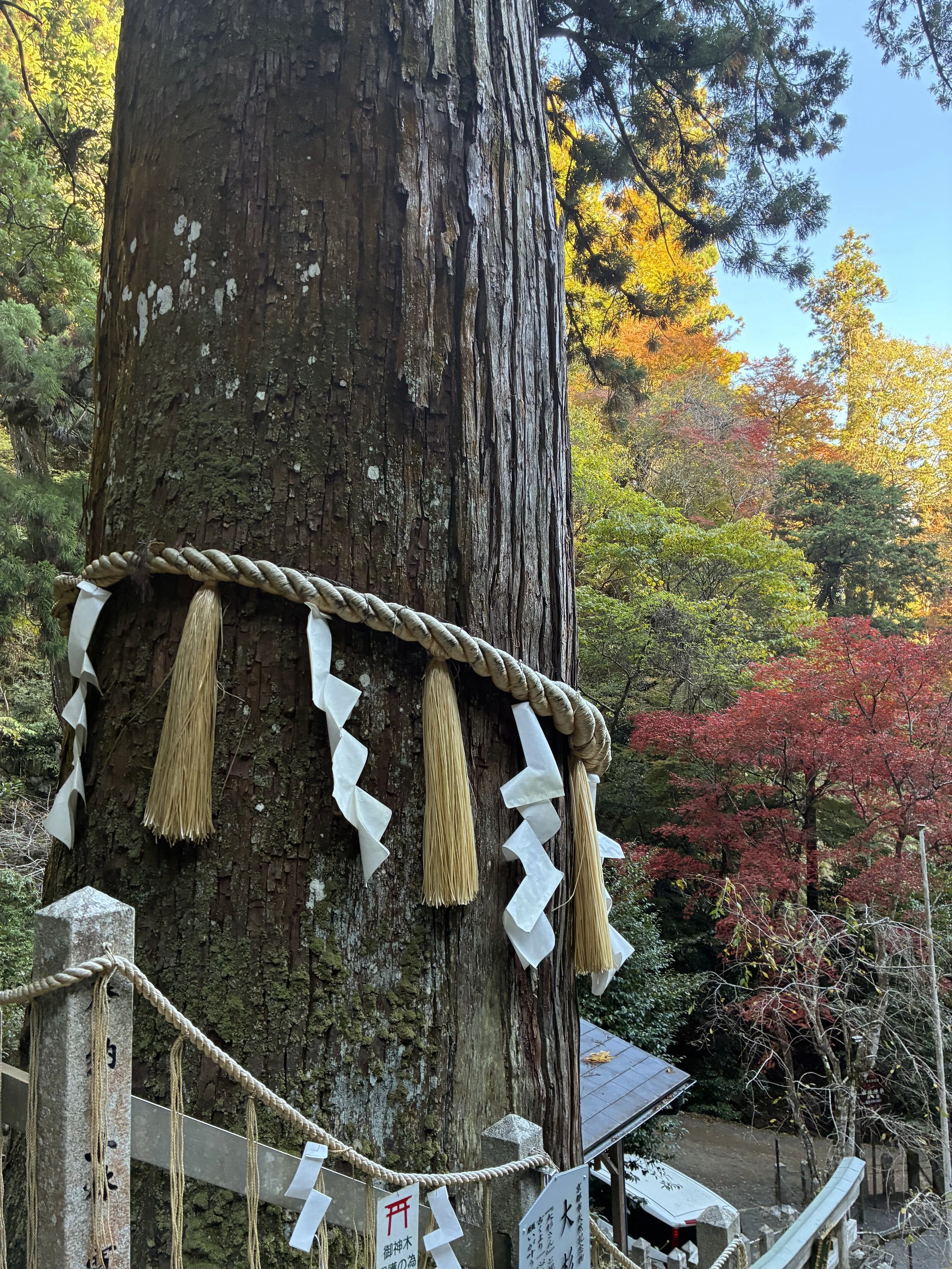
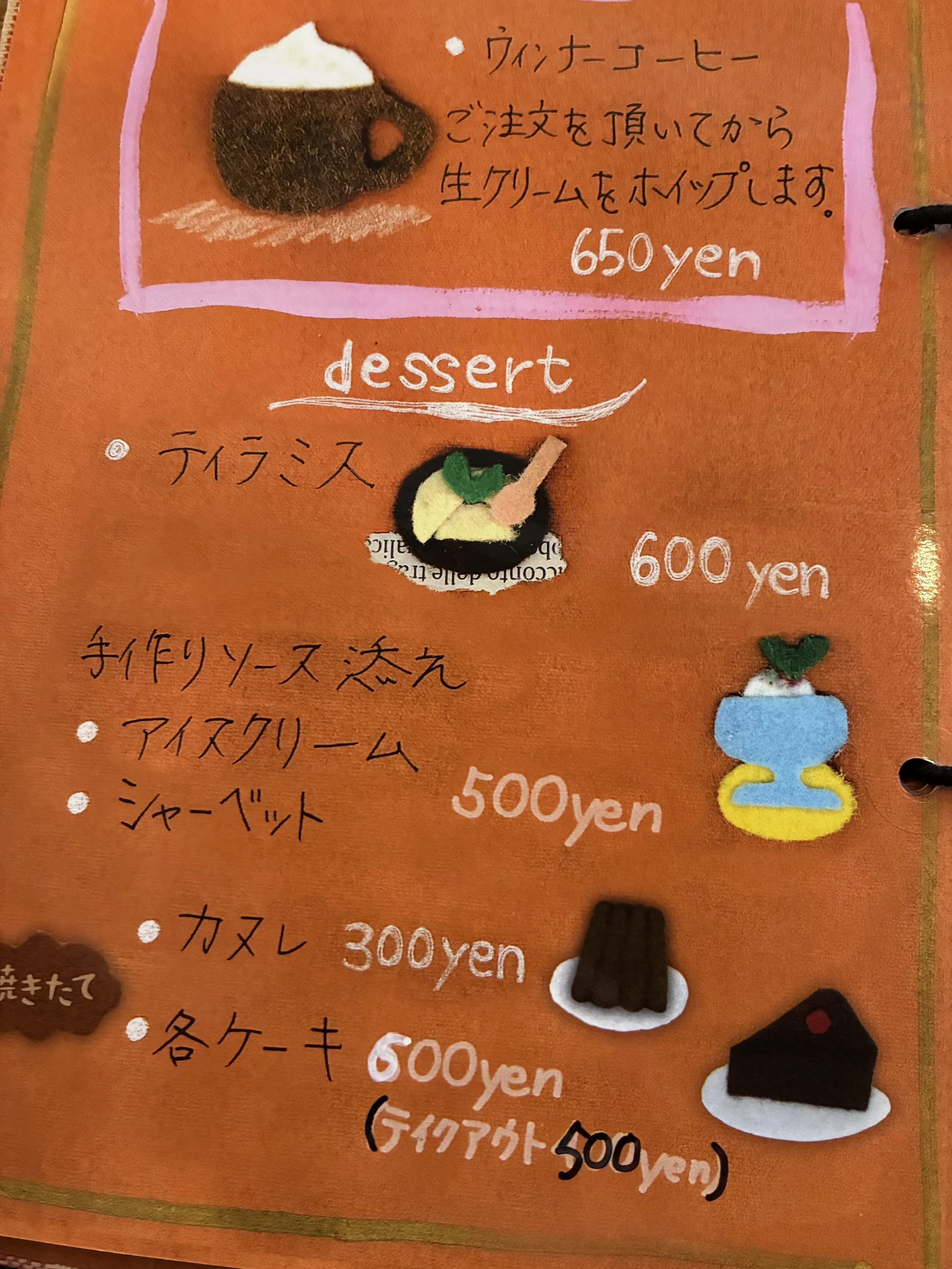
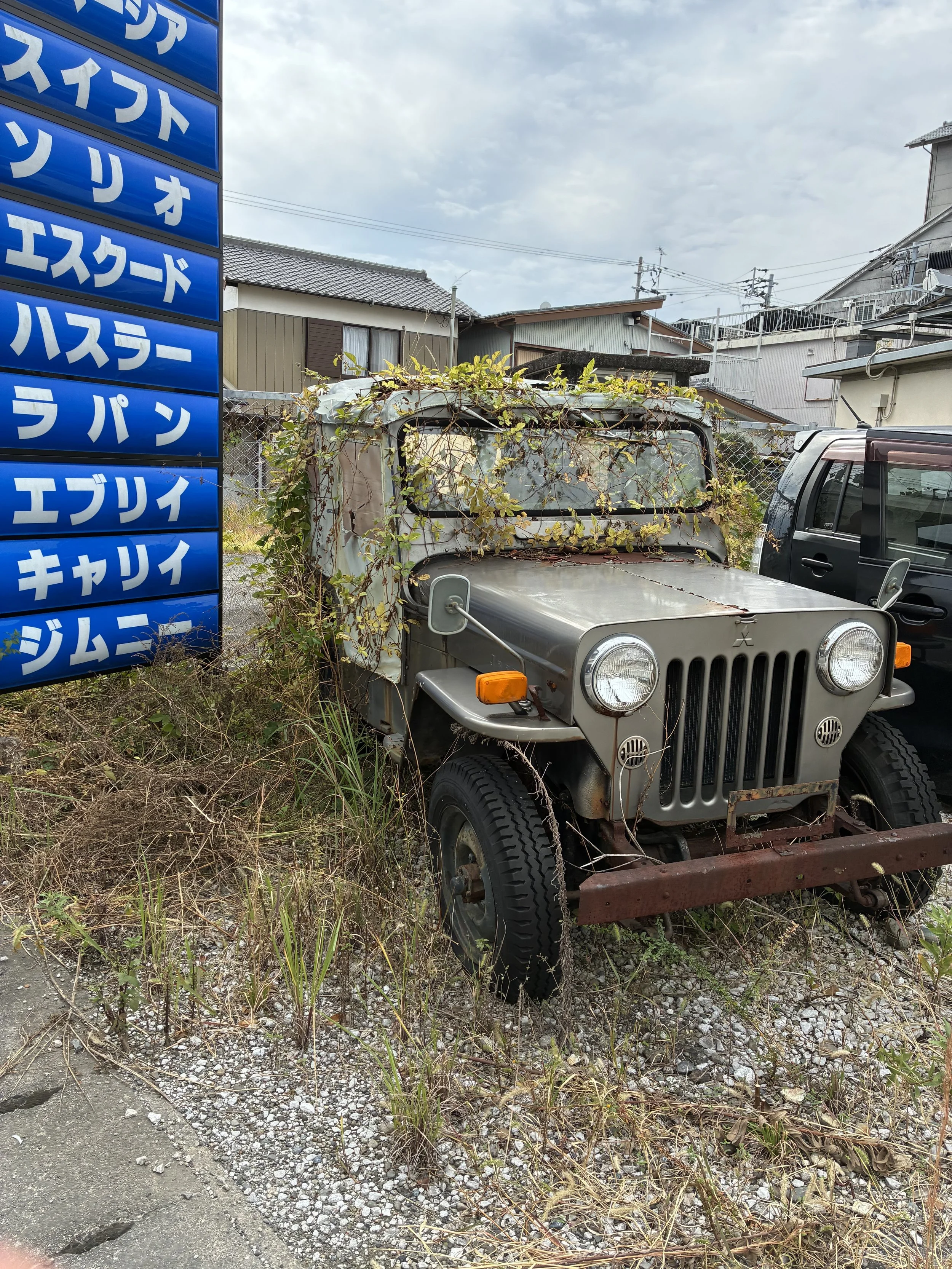
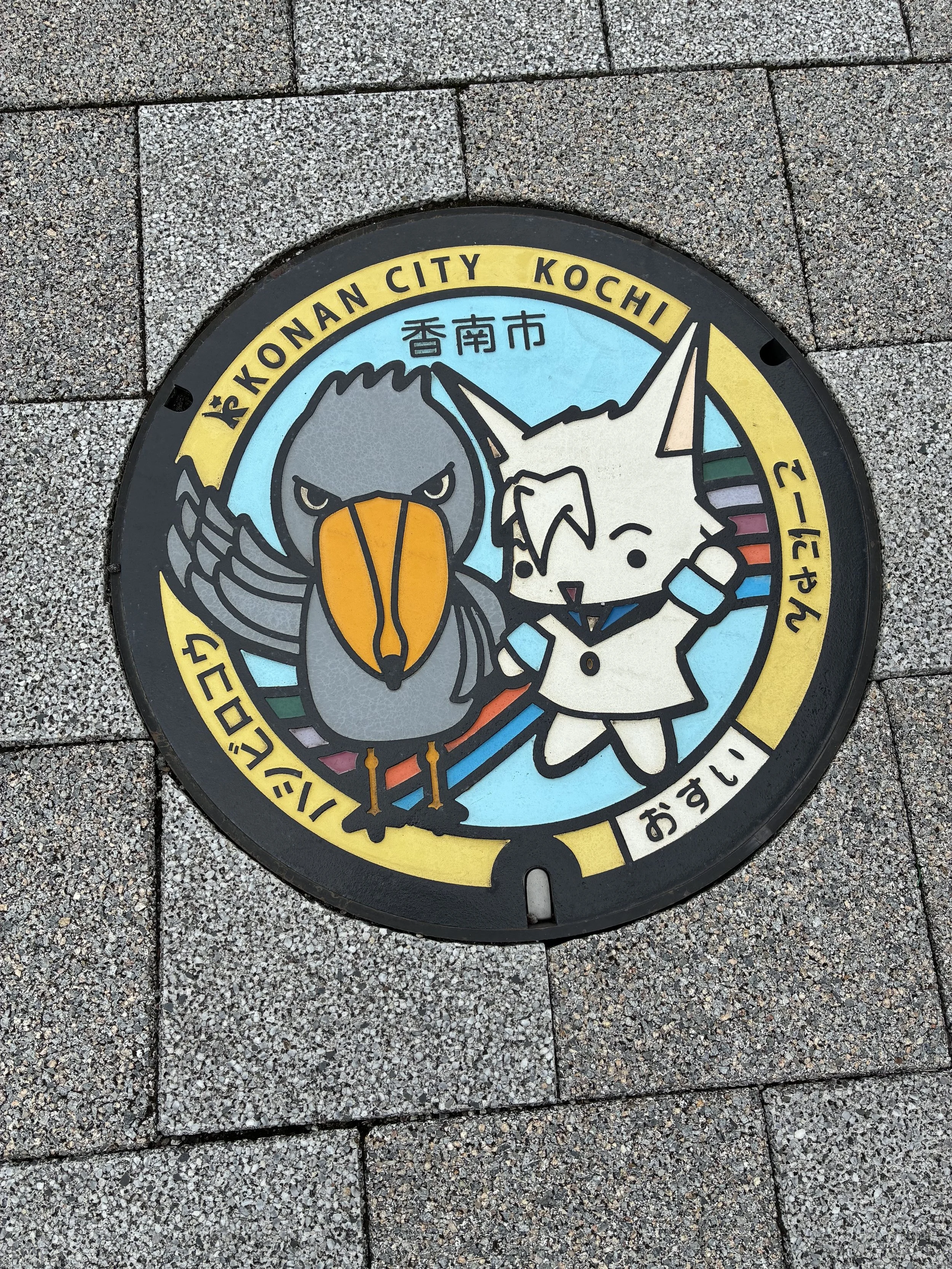
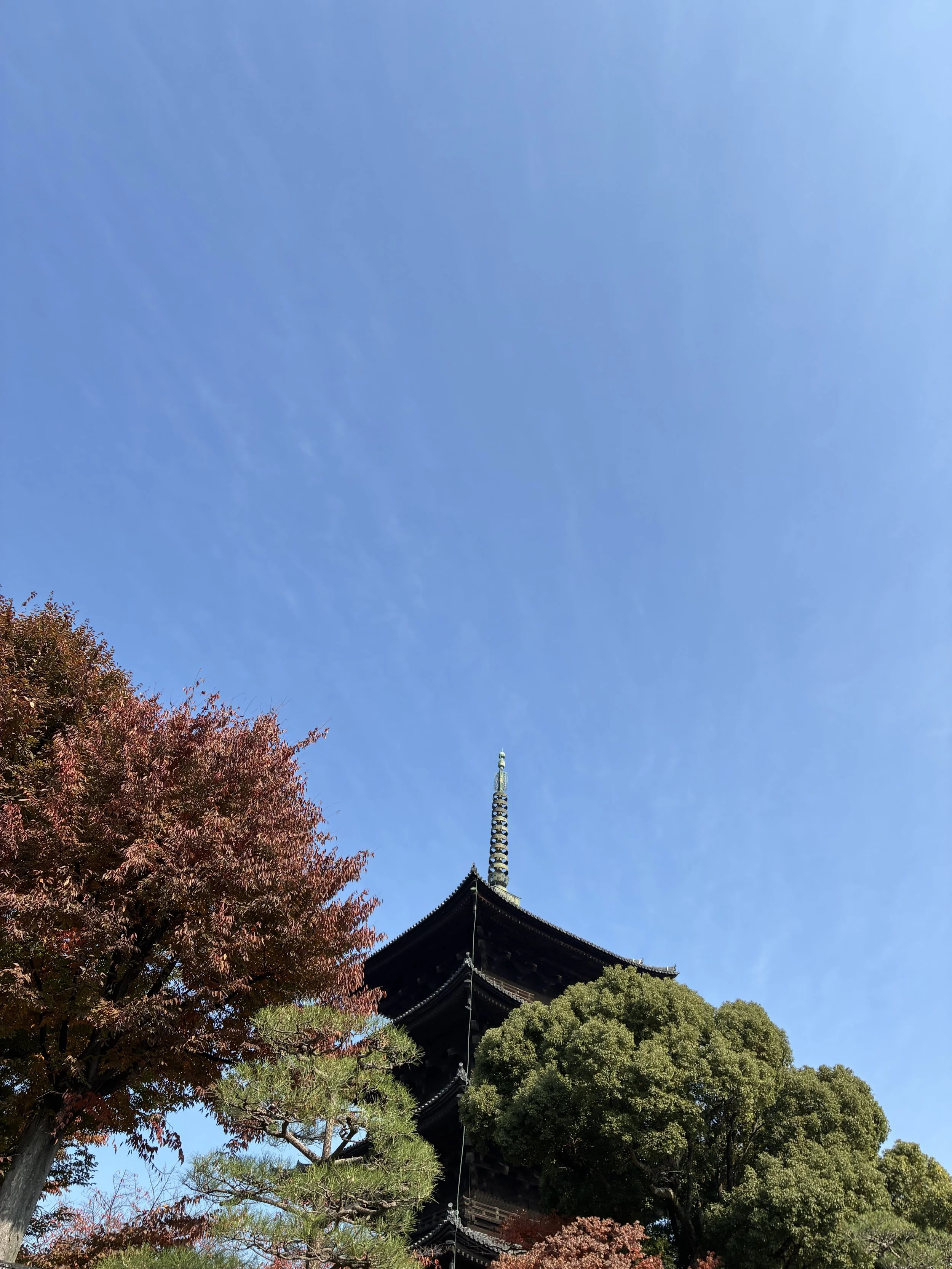
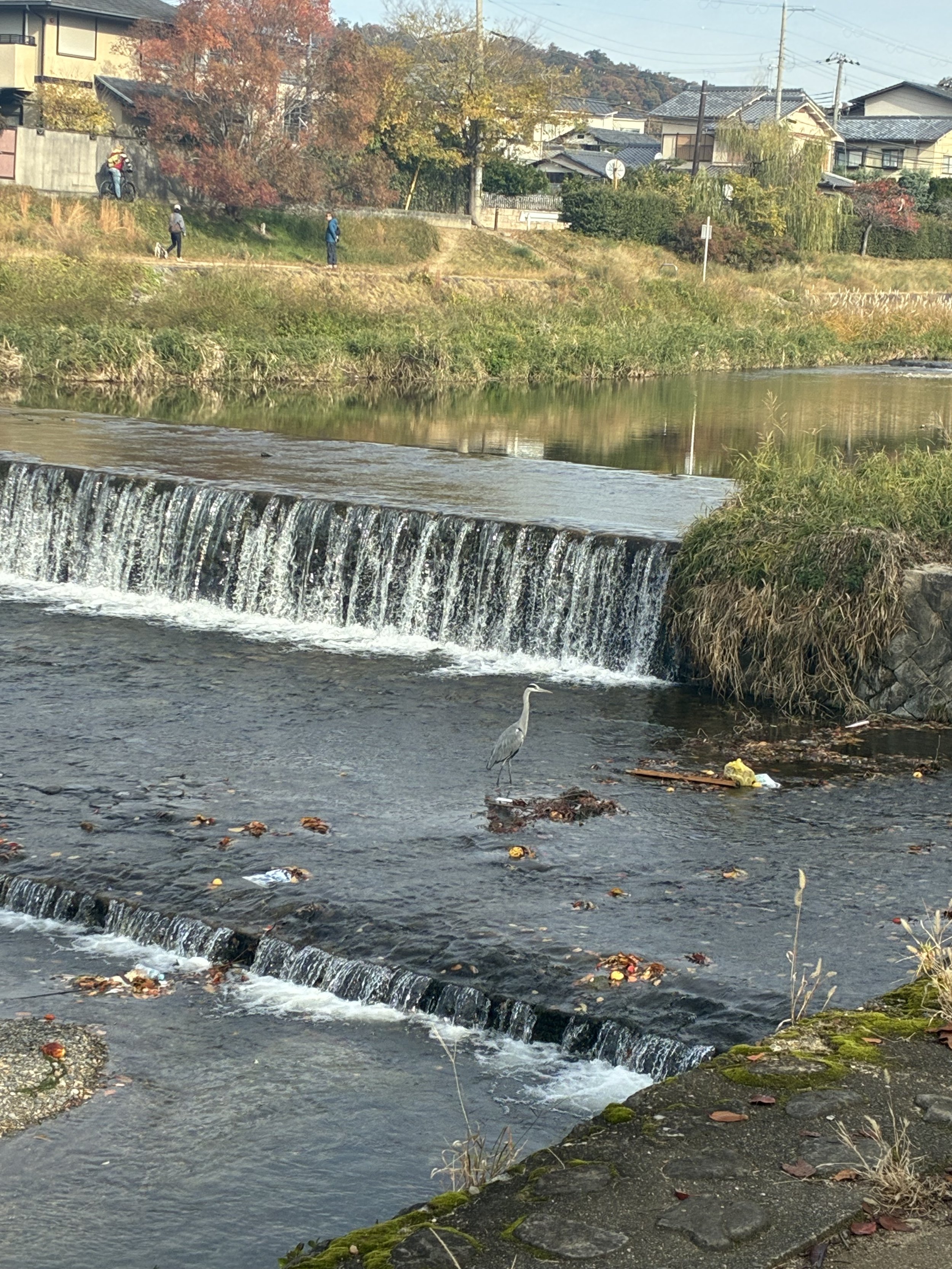
I have been home for over a month now, having returned from Japan after completing the Shikoku 88 temple pilgrimage, and I am finding myself in a hero’s lull or a matsuri no ato moment.
This is a moment after completion of a meaningful project when energy drops, motivation thins, and what was meant to feel like arrival feels strangely flat. In Japanese culture, this moment has a name: matsuri no ato, literally “after the festival.” In the Hero’s journey, it’s called the Hero’s Lull that follows the quest. In psychology, it’s sometimes referred to as “completion depression”.
Have you ever encountered such a moment and feeling?
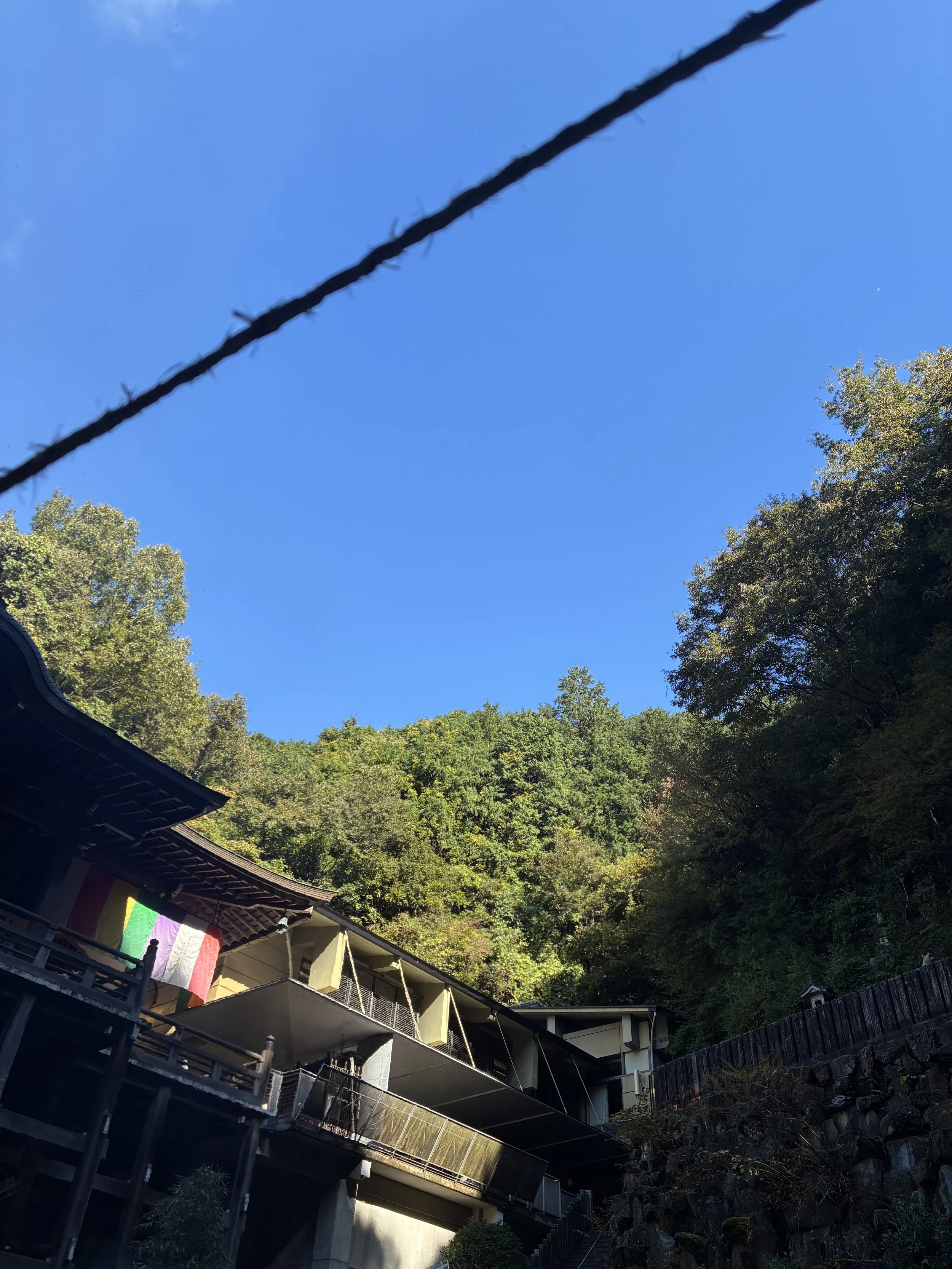
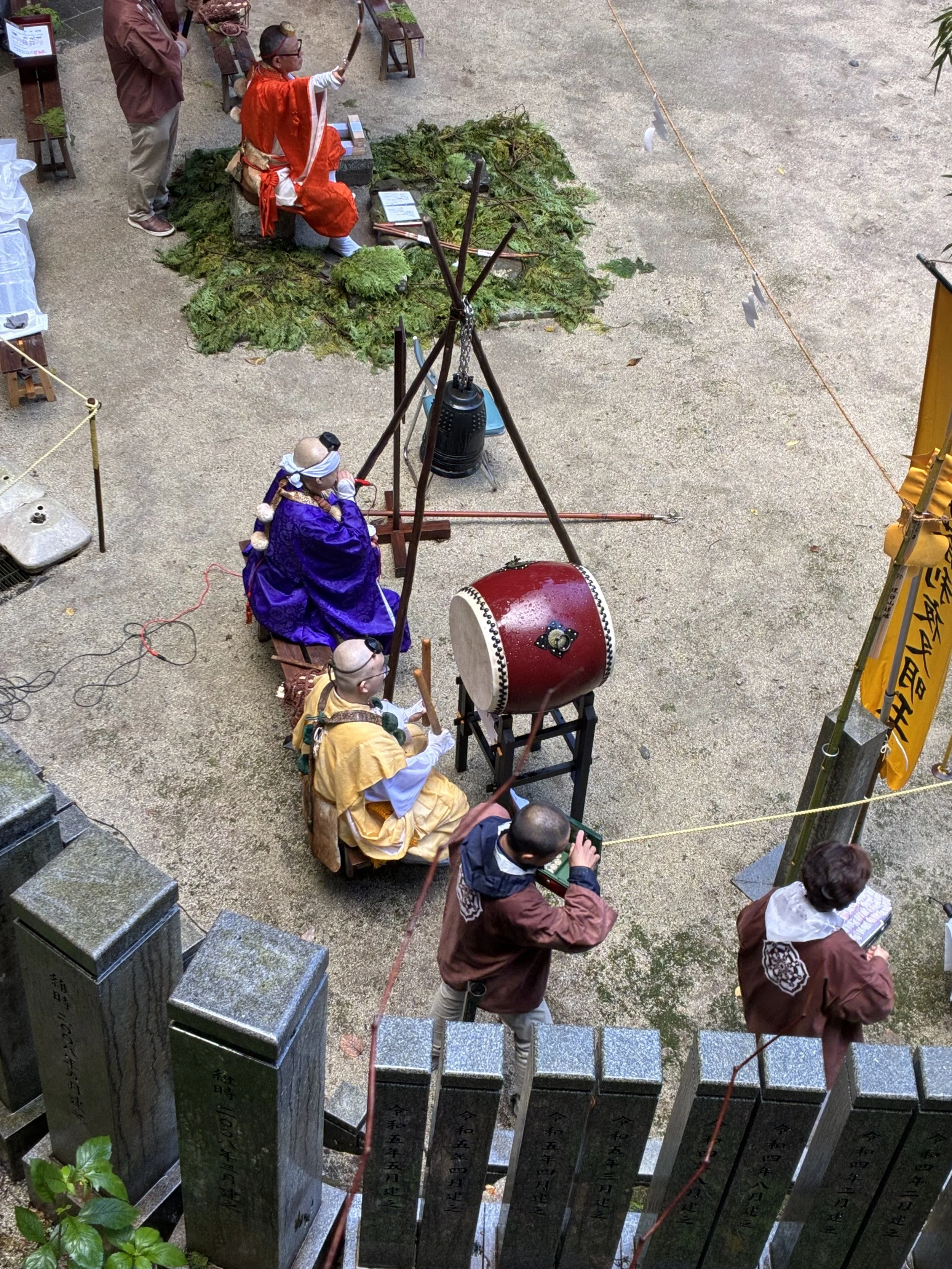
On November 12, I visited Temple 28 on the Shikoku 88 temple pilgrimage, completing the journey I had started in 2016. It took me four trips to the island of Shikoku (in 2016, 2023, 2024, and 2025) to visit all of the 88 temples, roughly twenty on each trip, visiting some more than once.
This matsuri no ato moment I am finding myself in, describes the quiet that settles once a festival ends, lanterns are taken down, crowds have dispersed, streets have returned to ordinary rhythm. The celebration was real and meaningful, and precisely because of that, its ending leaves a noticeable stillness behind. If you have attended any matsuri or festival in Japan, you can understand the profound meaning of the term.
However, matsuri no ato is not a problem to fix. It is a natural emotional phase: my nervous system is settling, my mind reorganizes after intensity, the identities I had left behind return, not quite fitting anymore. The emptiness or boredom is not evidence that something went wrong—it is actually evidence that something truly mattered. It’s a natural pause that deserves acknowledgement before the next rhythm of life begins.
Similarly, using the stages of the Hero’s journey, the Hero’s Lull comes when the quest is completed, the dragon is defeated, the treasure is secured. During the quest, purpose is supplied externally by danger, challenge, and necessity. Once that forward pull disappears, the nervous system downshifts, and the psyche must reorganize without the scaffolding of urgency and survival. The lull is a threshold for transformation, a time to reflect on who we have become in the course of the journey. Modern culture often skips this chapter of integration, rushing straight to the next goal.
As a coach, I know this, and yet, I have to work hard to resist jumping onto another goal or project, skipping over this integration phase. So I am taking my own medicine and reflecting.
Using the metaphor of matsuri no ato, here are the reflection prompts I am using to stay in this liminal phase a little longer:
What part of me was most alive during this “festival”—beyond outcomes or tasks?
What am I missing now: the goal itself, the structure it provided, or the version of myself it called forth?
If this quiet could speak, what would it name?
The festival does not end so that something better can begin—it ends so that something different can take shape. The next direction will emerge naturally, once the stillness has been honored.
That is what the coach in me says: Pause. Breathe. Acknowledge.
Once the feeling has been acknowledged, the bridge is not “What’s the next goal?” but “What wants continuity?” and “What doesn’t?”.
Let me know how this lands with you and if you have ever been in a hero’s lull.