



Last of 88- Dainichiji Temple, Noichi
This is the last temple that I visited on the Shikoku 88 temple pilgrimage completing the journey I started in April 2016. That day I saw two other pilgrims. It was very quiet, almost too quiet.
This temple (#28), as many others on the pilgrimage, is dedicated to Dainichi Nyorai which I have encountered many times on my journey. It’s also named after the deity. Dainichi Nyorai is considered to be the greatest Nyorai, one of the thirteen enlightened beings or deities that are represented in Shingon buddhism.
(Inside the main hall of each temple site, there is a statue of the deity which is considered to be the central religious figure of each site).
One specific encounter with Dainichi Nyorai for me happened at a special ceremony on Mount Koya in early October called Kechien Kanjo: Kechien means "to form a connection" and Kanjo means "anointment" or "initiation."
This ceremony is usually reserved for monks during advanced training, but at Mount Koya, anyone can participate. During the ceremony, participants are blindfolded and guided in front of a mandala, which is a symbolic map of the Buddhist universe. They are asked to throw a flower onto the mandala. The spot where the flower lands shows which Buddha they are now spiritually connected with. My flower landed on Dainichi Nyorai.
During the two-hour ritual, together with hundreds of other blind folded pilgrims, I was guided into the Kondo Hall as we recited repeatedly “Namu Daishi Henjo Kongo”, the mantra of Kobi Daishi, the saint who founded Shigon buddhism in Japan and the 88 temple pilgrimage in the eight century. We also chanted the Dainichi Nyorai’s mantra: “Om, Abira unken, bazara dadoban”.
The point of the Kechien Kanjo ceremony is to lead you to realize that you are the Dainichi Nyorai yourself.
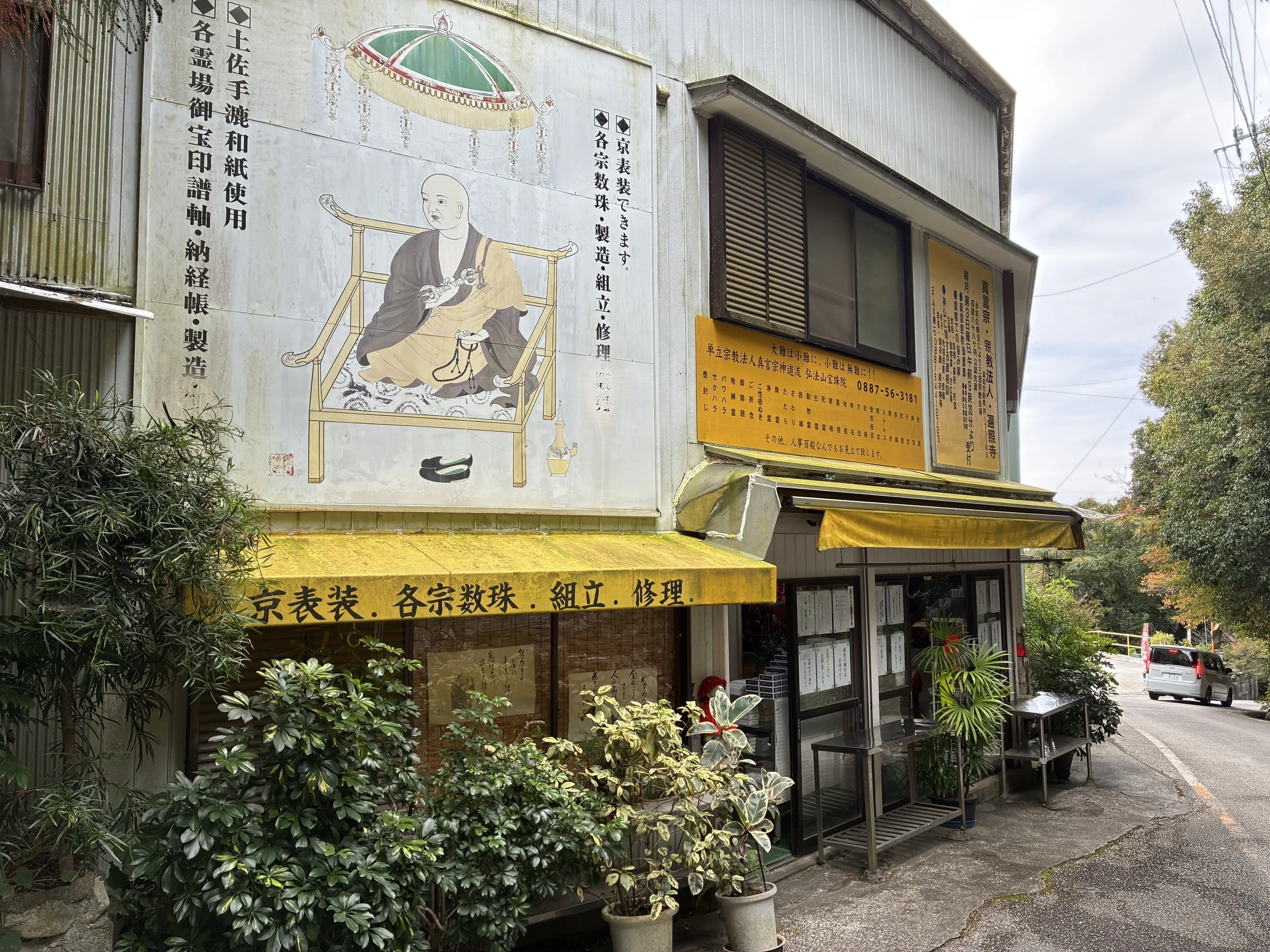
There was a shop at the bottom of Temple 28. To keep the connection alive and to return with a memento of that day, I bought a bracelet with a pearl through which a picture of Dainichi Nyorai can be seen. I shared my accomplishment with the woman at the store. She congratulated me. I thanked her for celebrating me and I left.
SKY ABOVE
EARTH BELOW
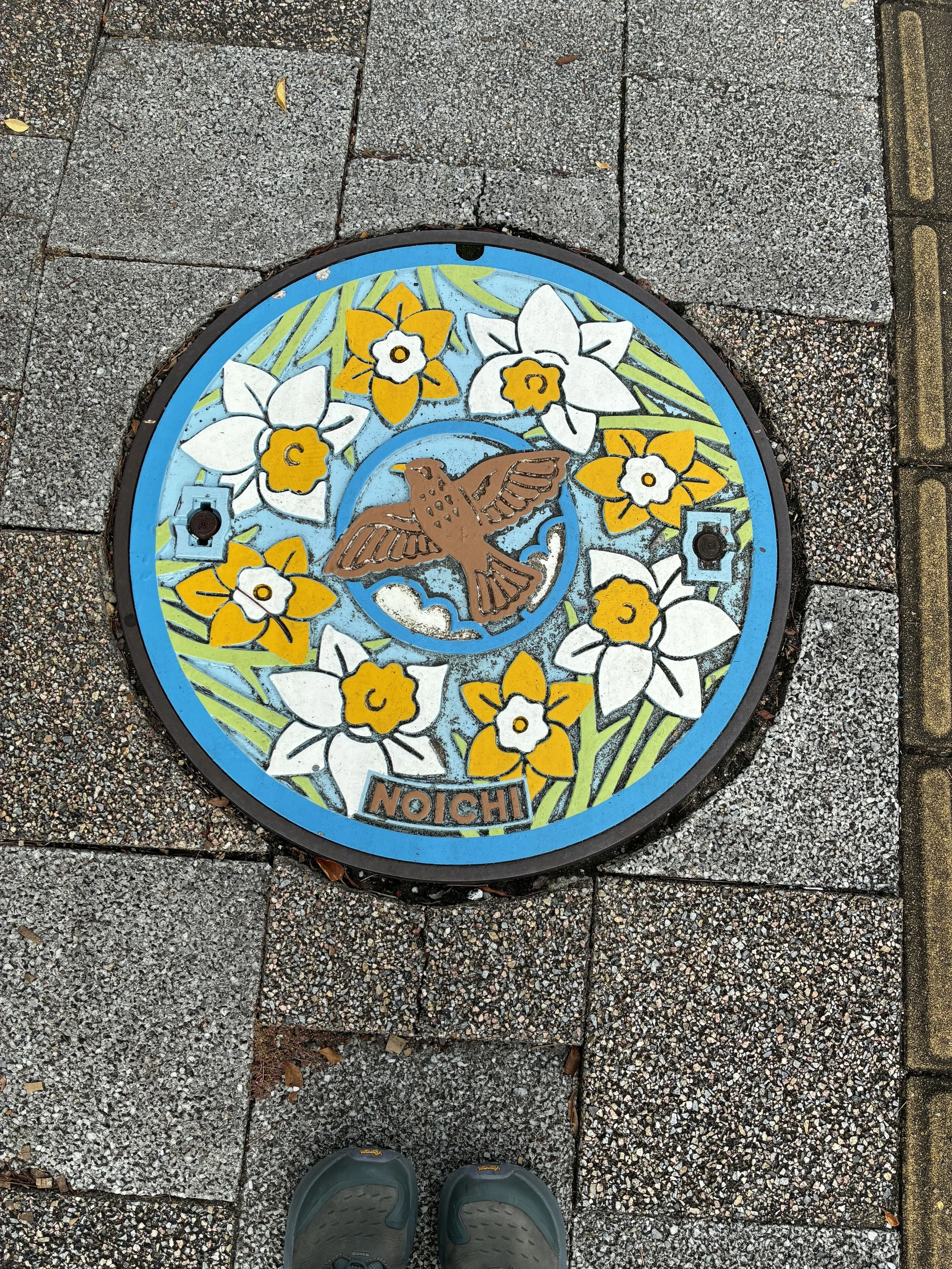
kizukis
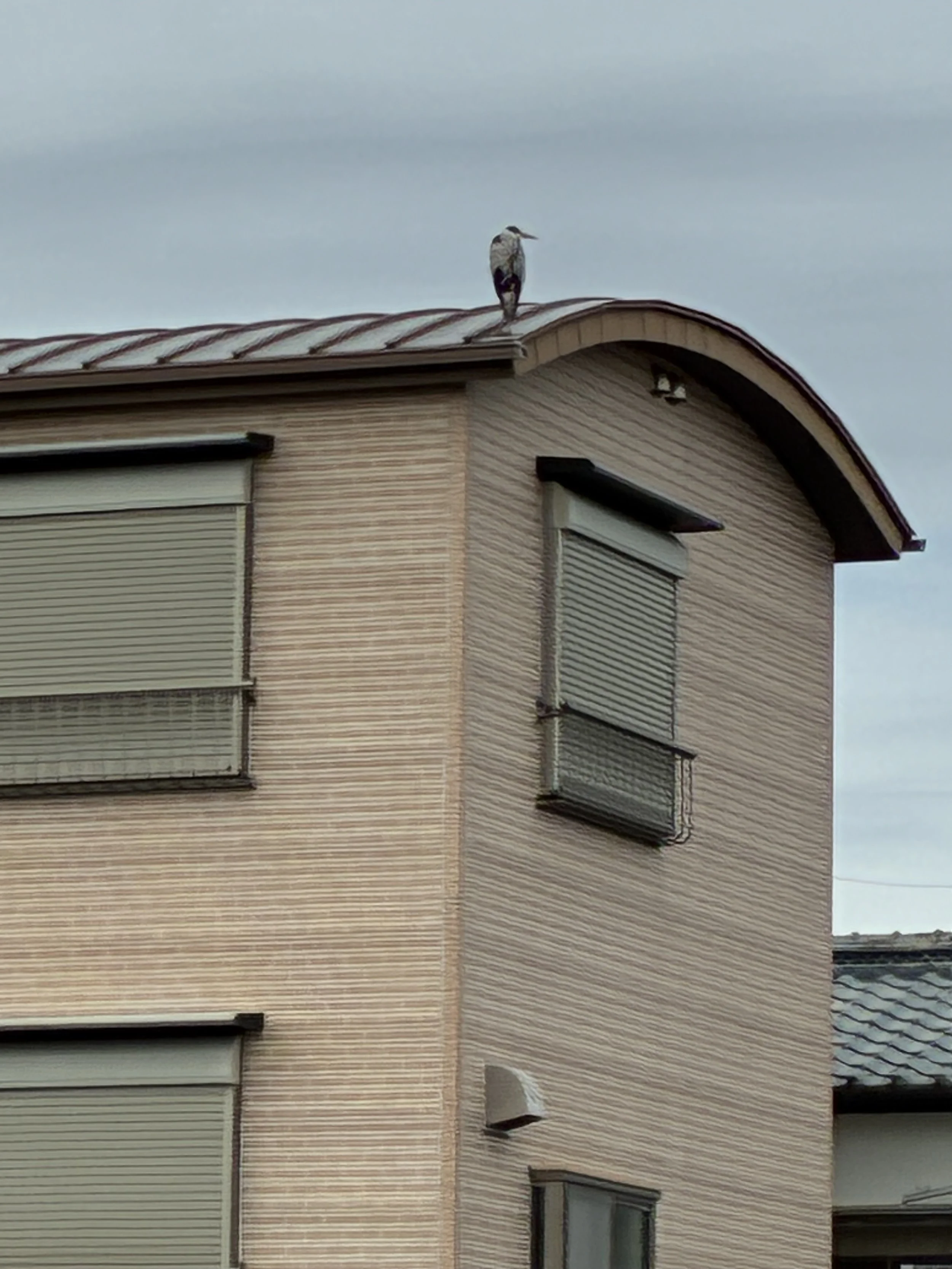
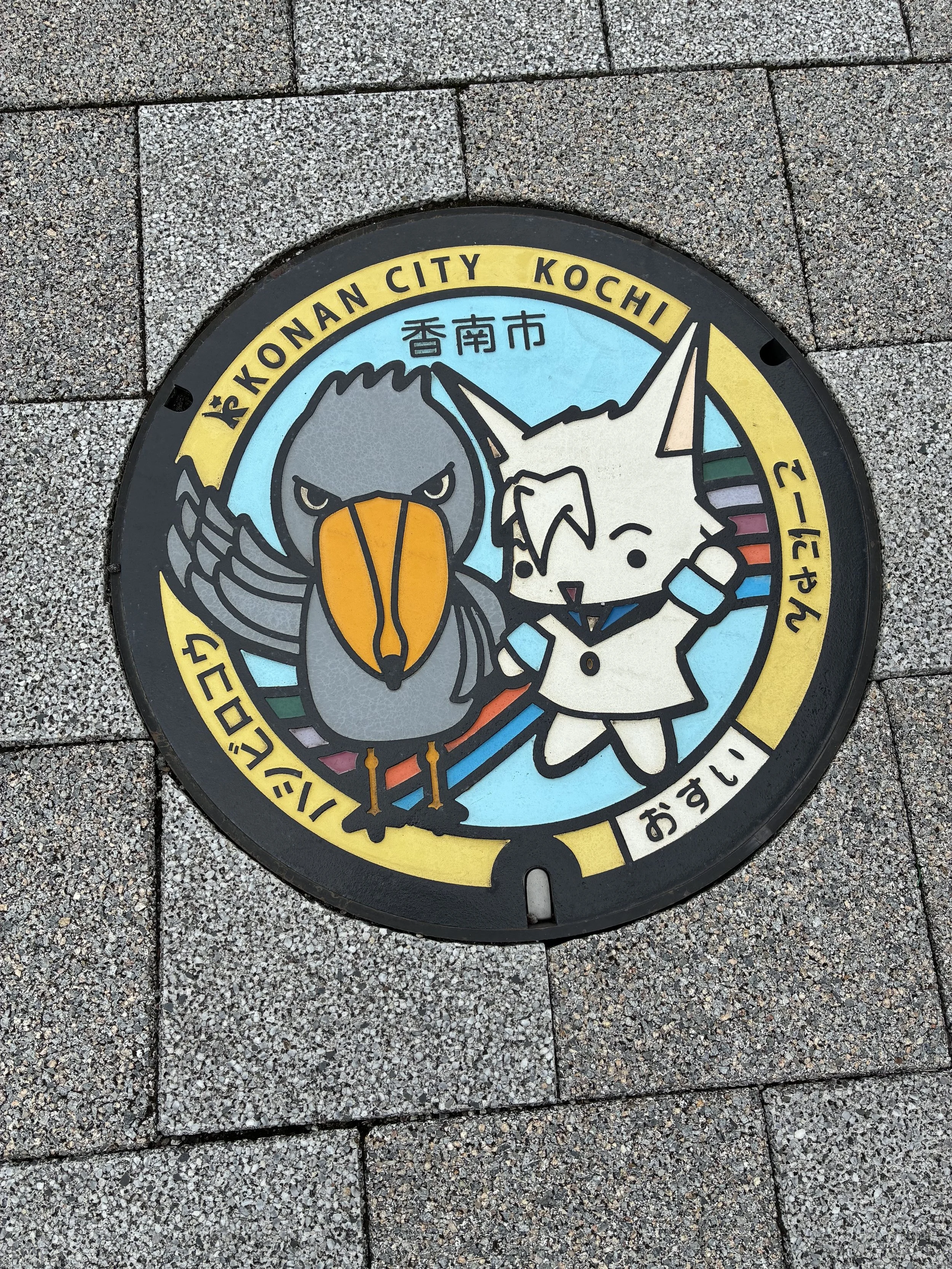
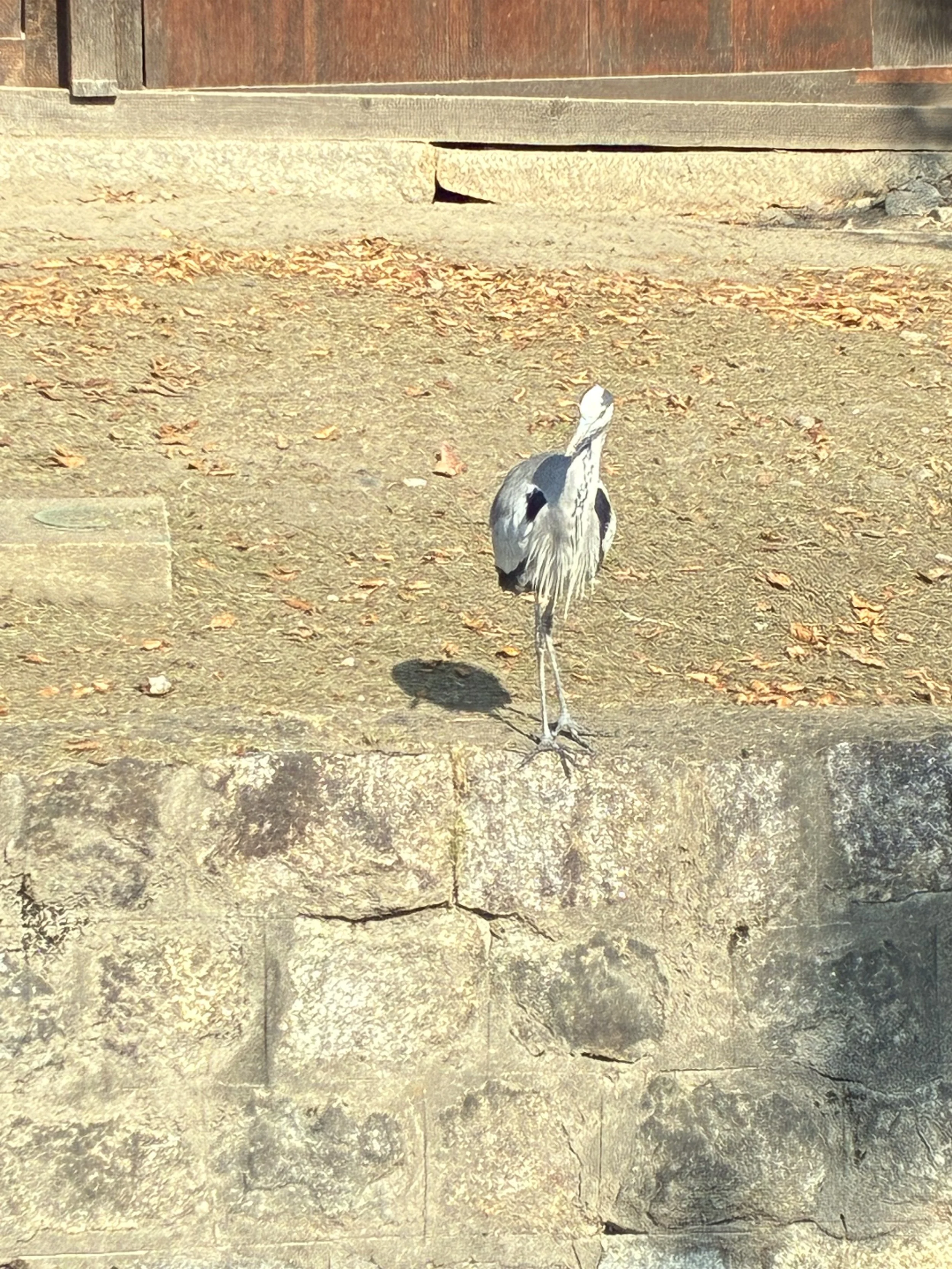
Heron at Flea Market- To-ji Temple, Kyoto
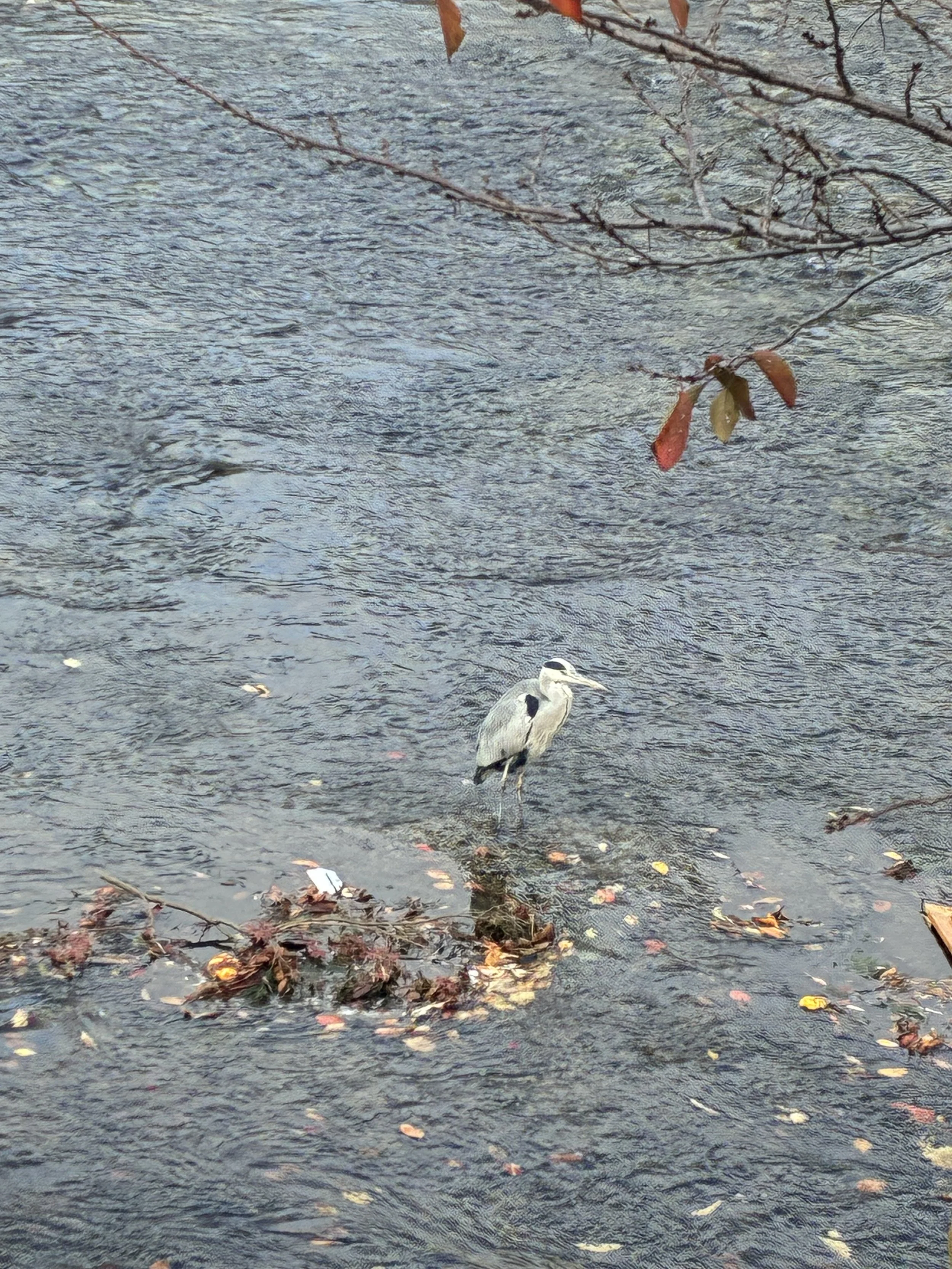
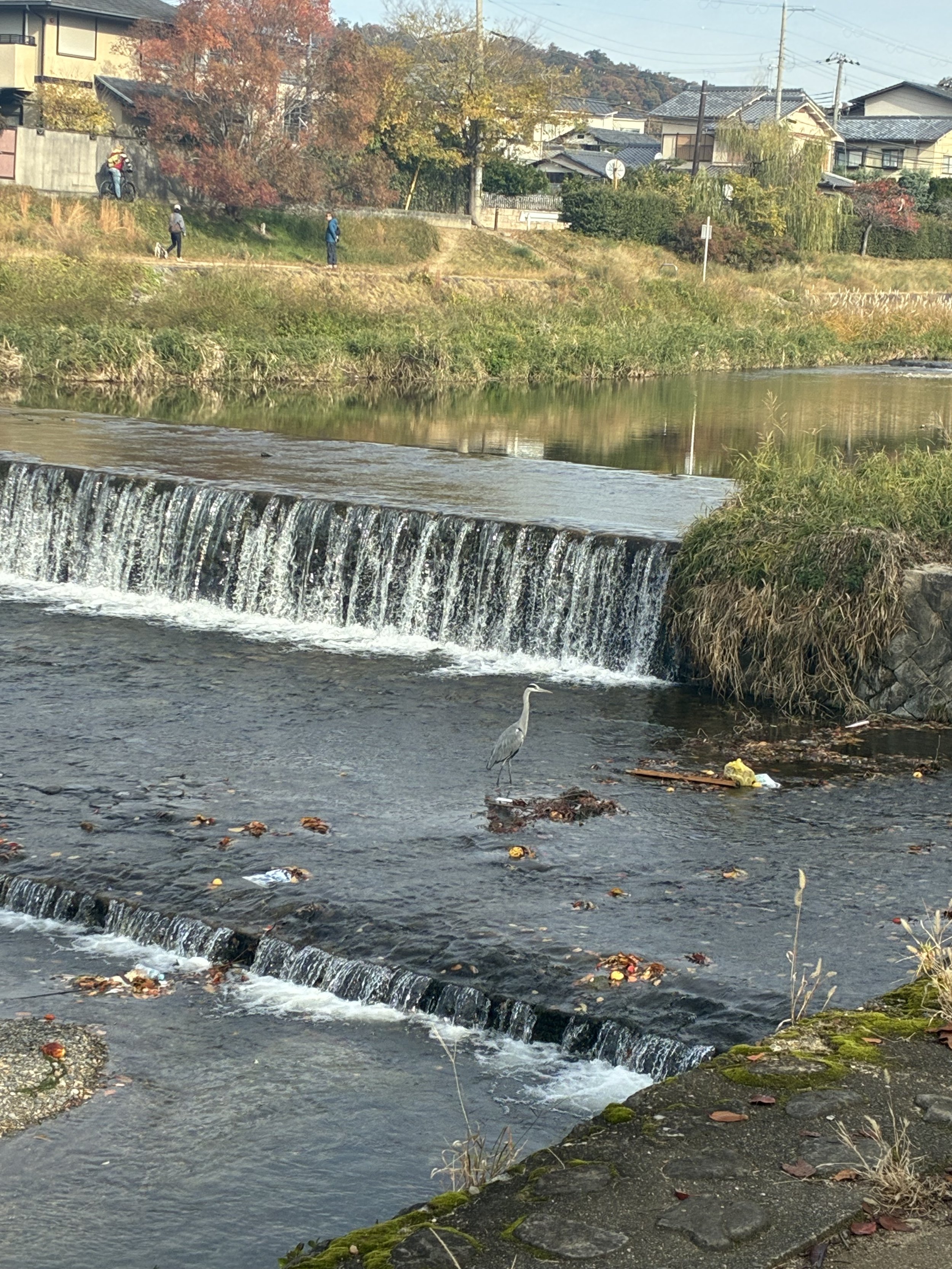
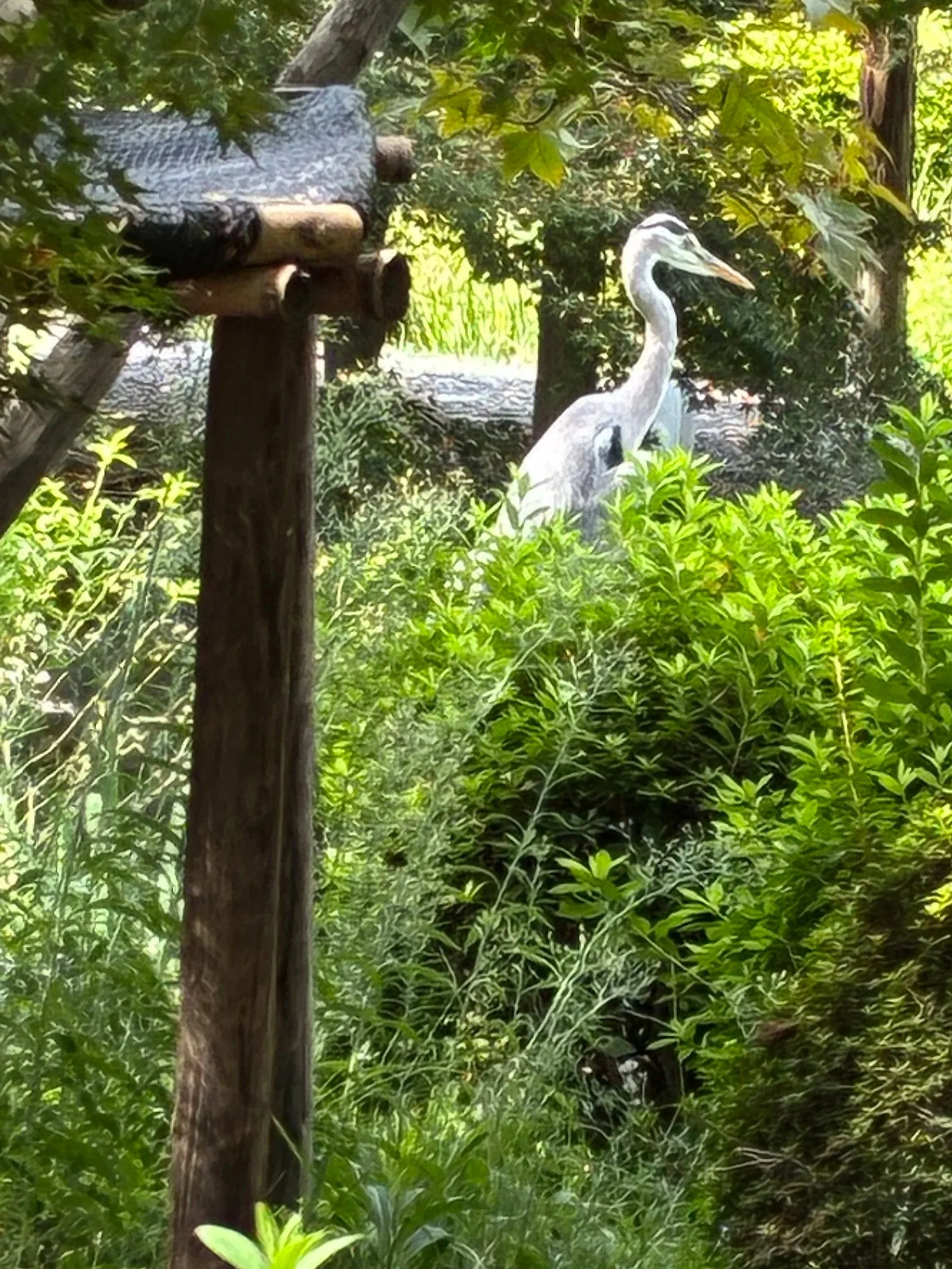
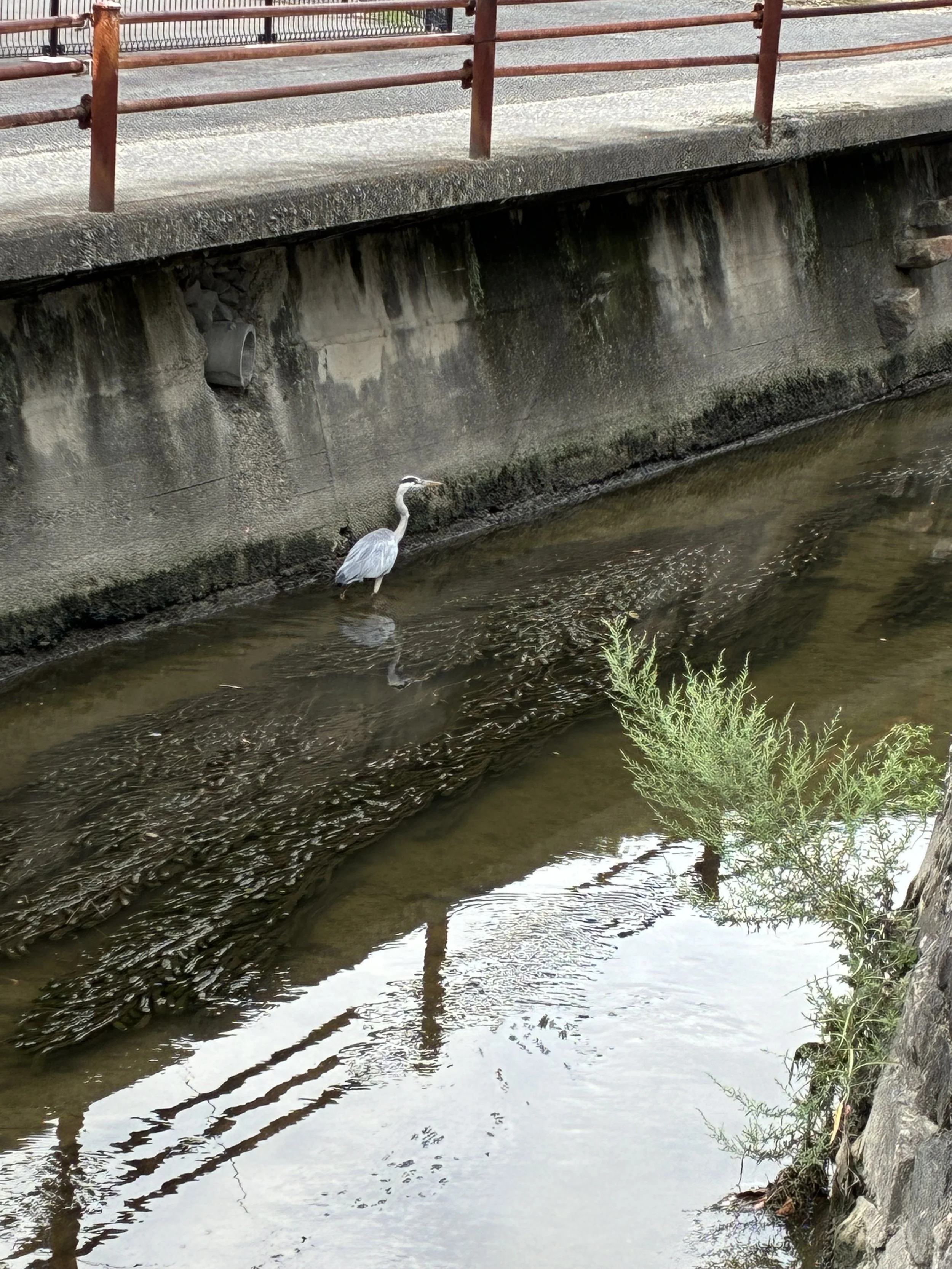
Herons are everywhere in Japan, wading on the banks of the Kamogawa river in Kyoto, fishing in a canal by the To-ji temple while tourists and shoppers walk by to visit the monthly flea market, or perched on a tree or house in a village.
I have been wondering what the sightings of so many of these majestic birds mean. A search on the internet results as follows:
“Seeing a blue heron can be interpreted as a symbol of patience, self-reliance, and good fortune, suggesting a message to pause and act with grace. It can also represent a spiritual messenger, symbolizing divine communication, inner wisdom, or a reminder to be still and self-determined.”
SKY ABOVE
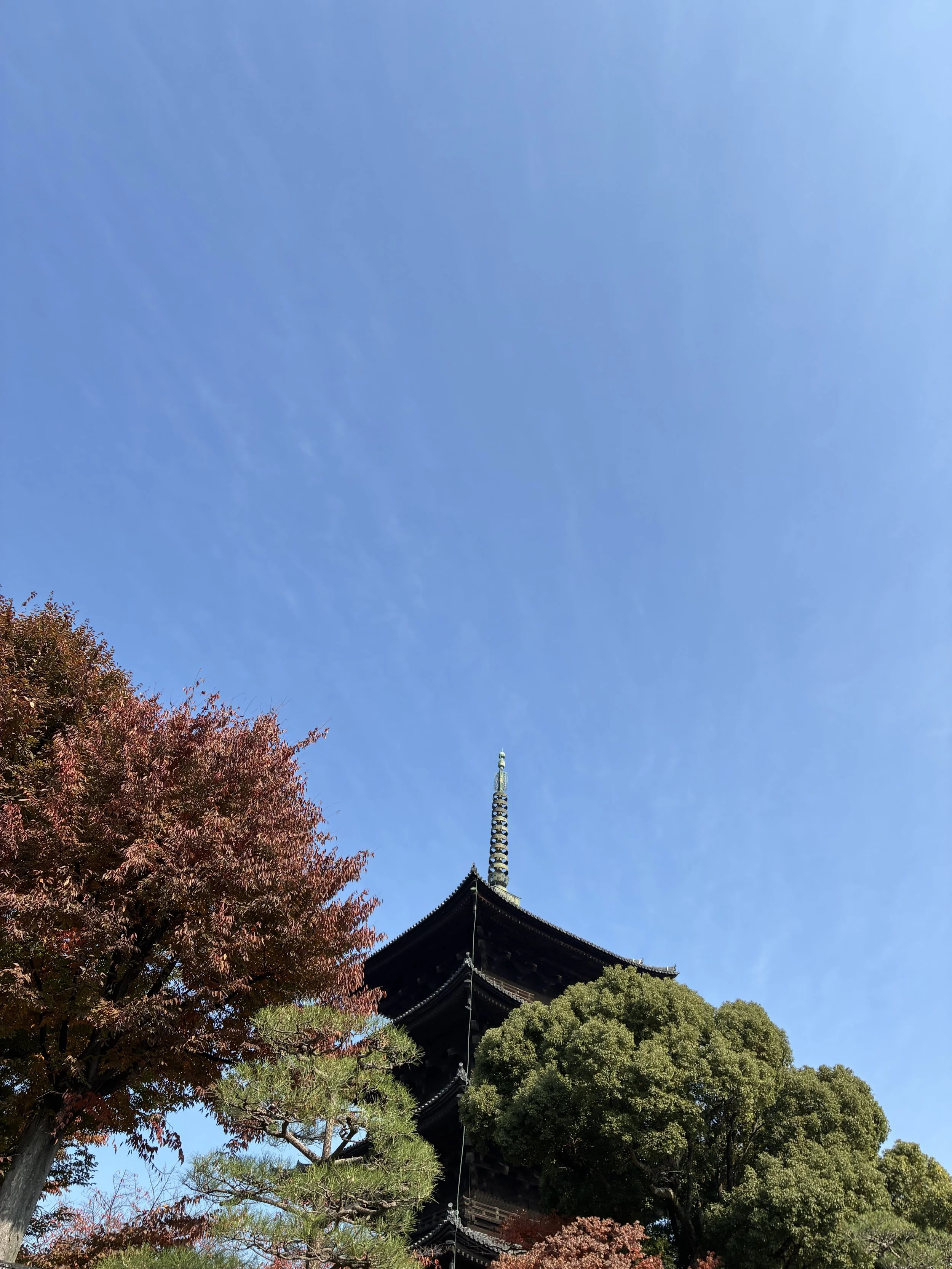
EARTH BELOW



Beauty and Good Luck- More Insights from Japan
Higanbana, Gorintos and Kizuki: Insights from Japan
Amabie: A Mythical Japanese Yokai That Can Stave Off Epidemics And Bring Beautiful Harvests

2019 December Newsletter- Beginning Again: Walking Down the Path of Renewal
2019 September Newsletter- Is Wilderness Calling?
2019 August Newsletter- Why Pilgrimages Now?
i have a small heart
わたしのチイサナココロ [i have a small heart] is a short documentary accompanying one woman's journey along the Kumano Kodo through the Kii mountains of Japan. This ancient pilgrimage route, one of only two Unesco World Heritage pilgrimage sites in the world, is considered the spiritual heart of Japan.
Bajir Cannon/ Maki Itami Cannon/ Megumi Ueno